

Note for email readers: This post is longer than what displays well in email. For the full reading experience, please view it on the website version.
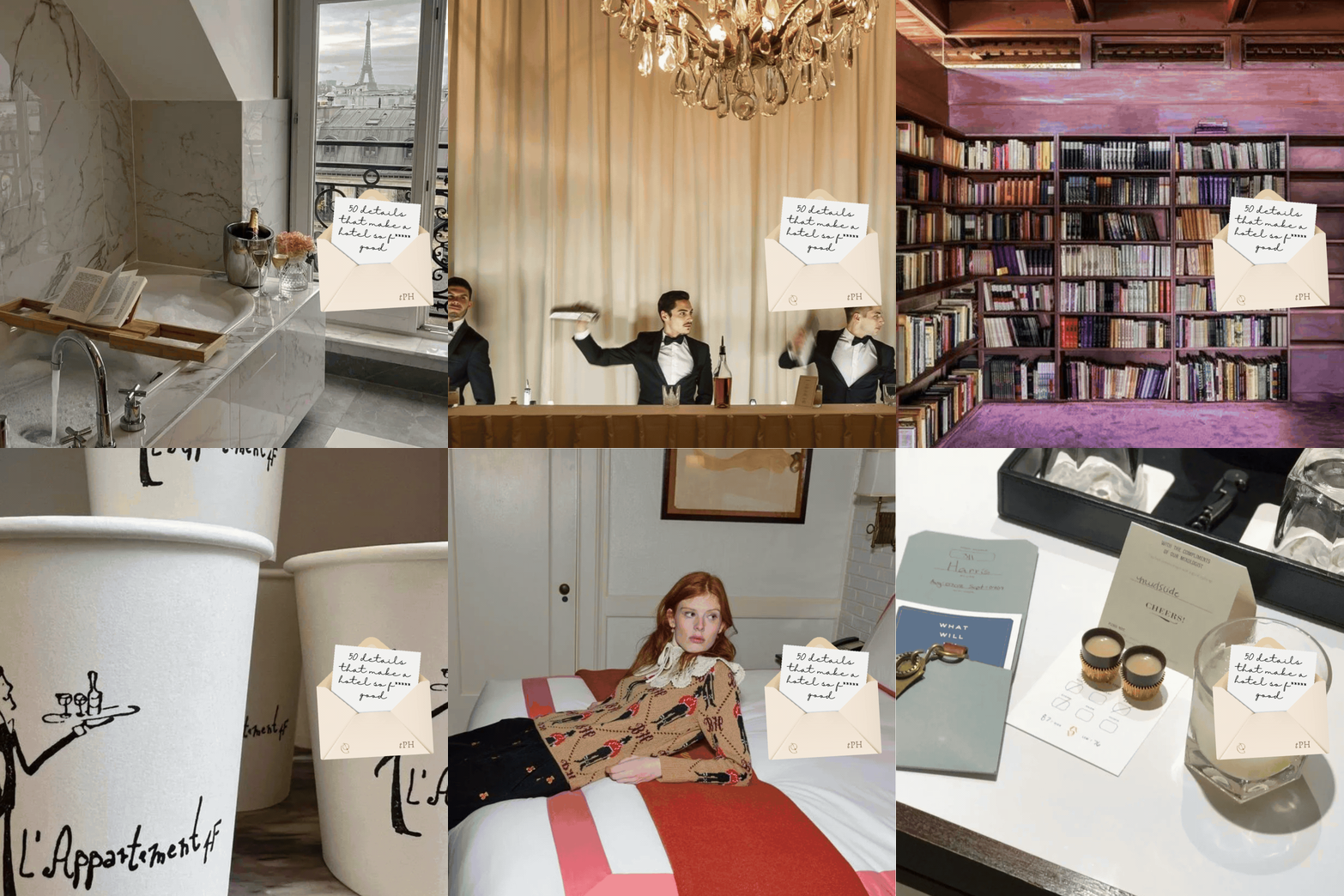
A recent What the Luxe interview with design pioneer Stephen Bayley centered around the general disintegration of design, and how its sentiment of “effort and care beyond what is necessary” is now seen as frivolous.
Anant Sharma, the host, stated that:
“It has become so irrational to take the more charming path that it’s almost unjustifiable”
Yet, the converse is probably closer to the truth.
It is precisely through attention to detail and making said detail charming that we can unlock the most value and impact. This applies to both design of physical spaces and products, as well as experience design, no matter the industry.
When interacting with an offering is made as intuitive and emotionally resonant as possible, it will turn consumers into spokespeople.
Why are details so important?
How you do one thing is how you do everything.
This is a phrase often attributed to Zen Buddhism, but it is also one that Will Guidara mentions frequently in his book Unreasonable Hospitality. For Guidara, the phrase became a guiding principle in bringing his restaurant Eleven Madison Park from a great restaurant to the best in the world.
Translating this phrase into practice meant putting an unreasonable amount of effort into each detail in the restaurant; from silverware to coffee beans to placing the plate in a way where the guest has an easier time checking who manufactured it.
This purpose of this letter, however, is not to relay what Guidara has written. Instead, it is a curated list of details we find incredibly chic impactful, courtesy of two self-proclaimed hotel enthusiasts.
In this letter: a big boy list of absolutely life-changing details in hotels, curated by Emma Näpänkangas and Sanchita, the tasteful mind behind The Other HAFH (a hospitality newsletter you do not want to miss)
50 details that make a hotel (or service experience) so f****** good
The following list is non-exhaustive, and includes examples from other areas than hotels, such as wellness experiences. Enjoy.
Handwritten notes from the hotel


A chic ‘do not disturb’ sign. Imagine a leather tassel hanging off the door instead of a flimsy plastic one.
A velvet tray where you can place your jewelry and watch during a facial, instead of having to throw them in your bag or on the table. This is the standard experience at Biologique Recherche.
High-quality stationery, such as a heavy-duty pen and envelopes (obviously in addition to a notepad).


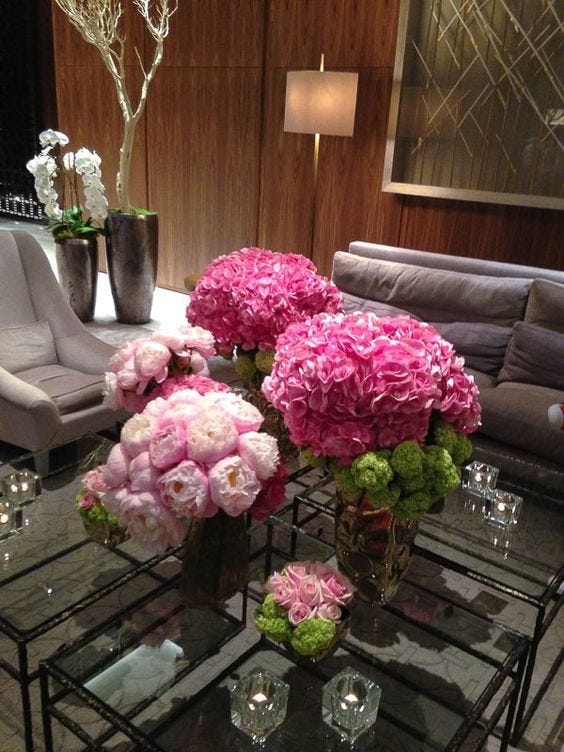
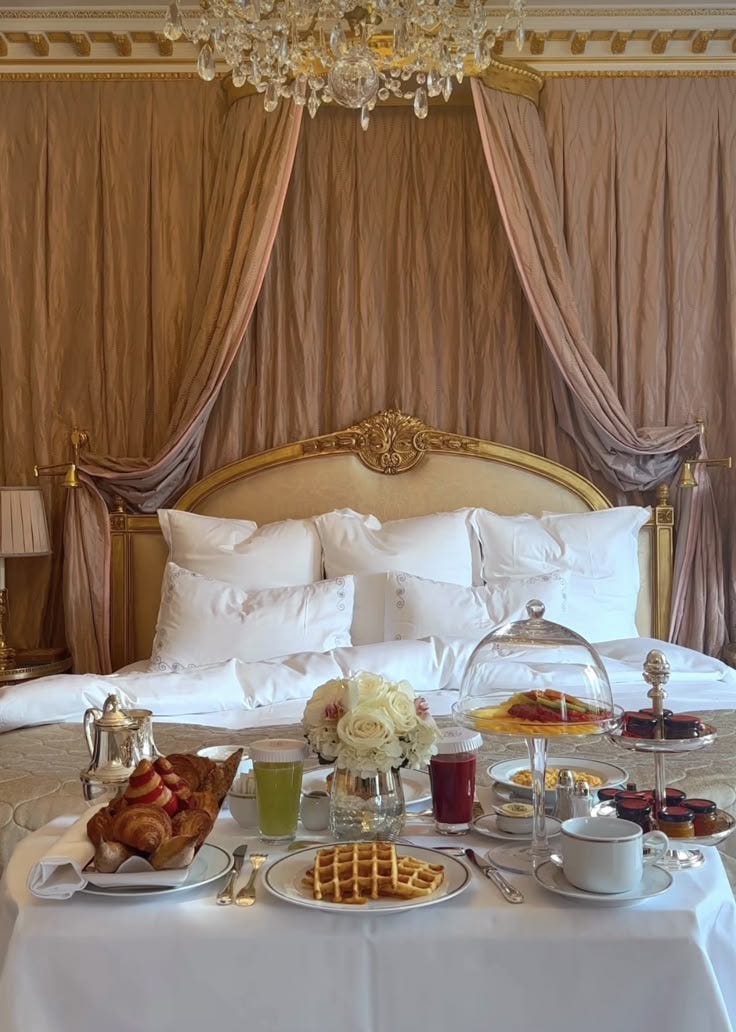
Real, fresh flowers in the room or around the property(and preferably also strange or whimsical).
A signature fragrance that reminds you of the property forever and ever when you come upon it again. However, with nuance (see point 31)
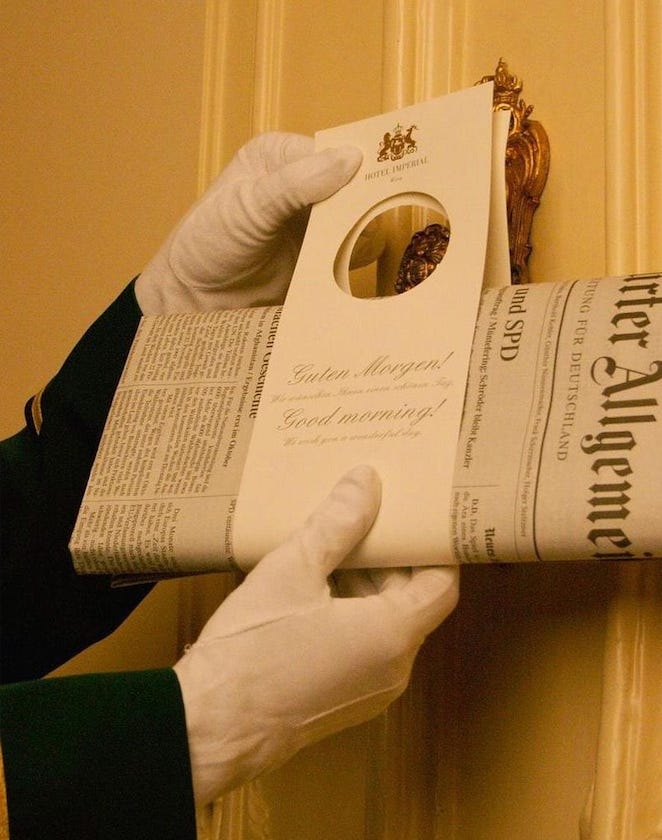
Fresh newspapers with an intentional selection. I like to have FT Weekend at hand.
A REAL Finnish sauna, where you are actually allowed to throw water on the stones (Note from Emma: Yes, I’m a snob, I’m Finnish, this is my culture. I’m available for sauna consultancy).
When you are brought a beverage and your coat is taken for you at the very moment you set foot on the property.
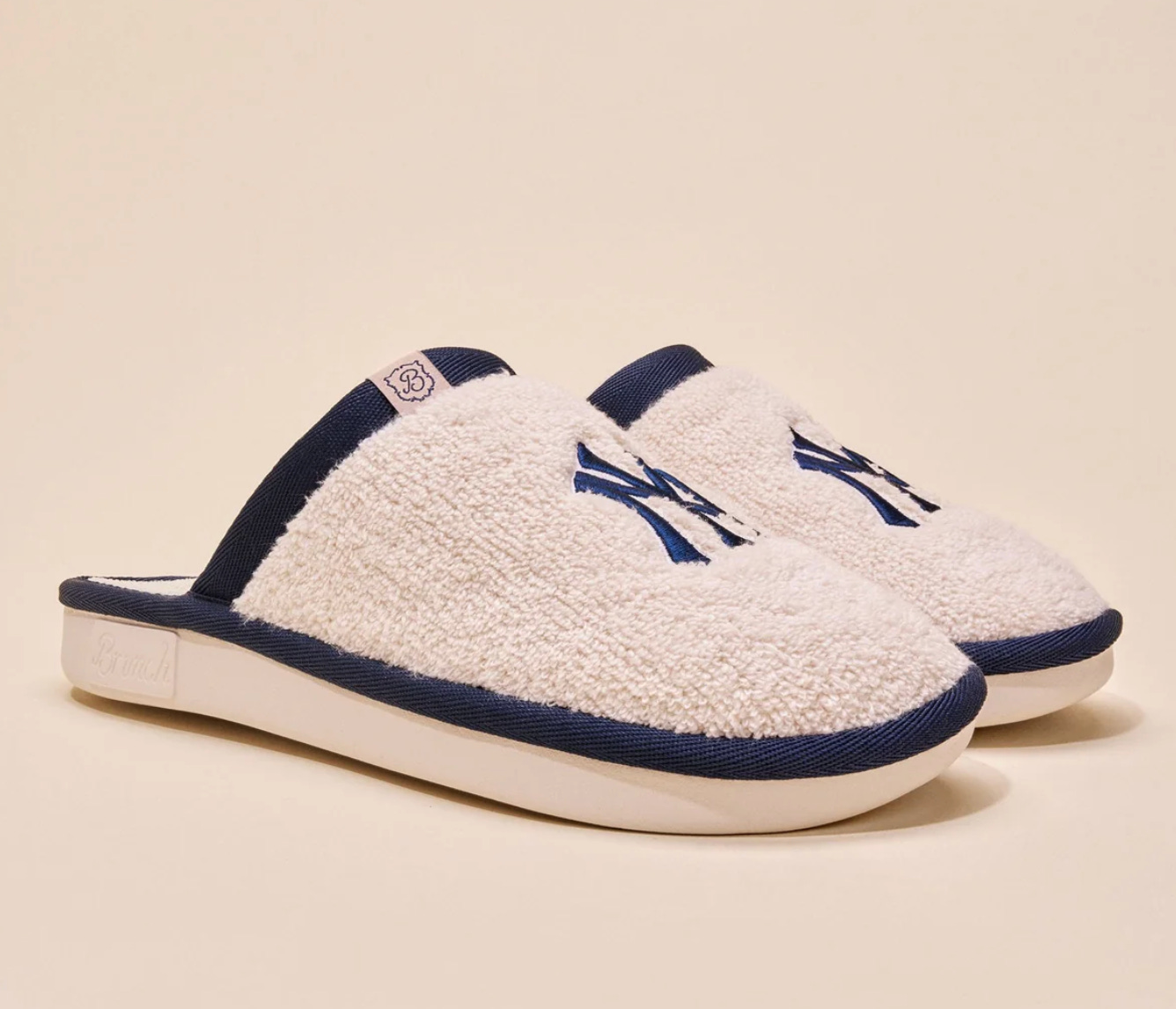
Nice hotel slippers. I’m so over the flimsy, white, Temu-quality slippers. I’m calling it: the baseline expectation for luxury hotels from now on is high quality slippers that can be worn comfortably throughout the hotel, from the room to the spa to breakfast.
When they don’t ask: “Is this your first time staying with us?” (because they should already know, especially at luxury properties)
A Polaroid camera in the room because why not! (Bob W. has one in every room) Surprise your guests, they will tell their friends.
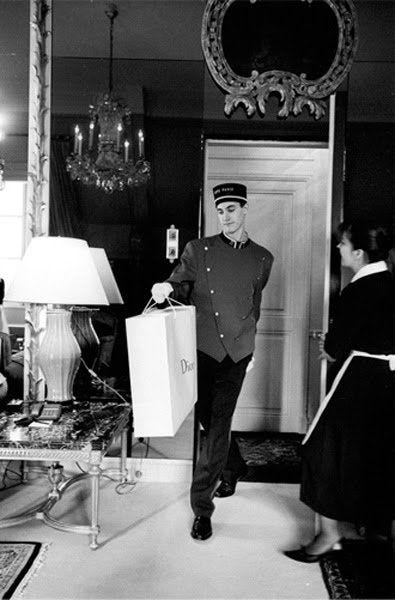
Thought-through staff uniforms, whether they are somehow unexpected or charmingly traditional. More important than the style, however, is that they are high quality and made from breathable, natural matierials.
Small keepsakes to take with. Belmond has a collectible sticker for each property. The Goring gifts kids a stuffed animal.
Little pockets of shared spaces, or a favorite, an in-hotel library.
Books that can be borrowed and read, that have something to do with the storytelling of the property. Rosewood Amsterdam has a shelf of books that were gifted by collaborators and friends of the hotel.
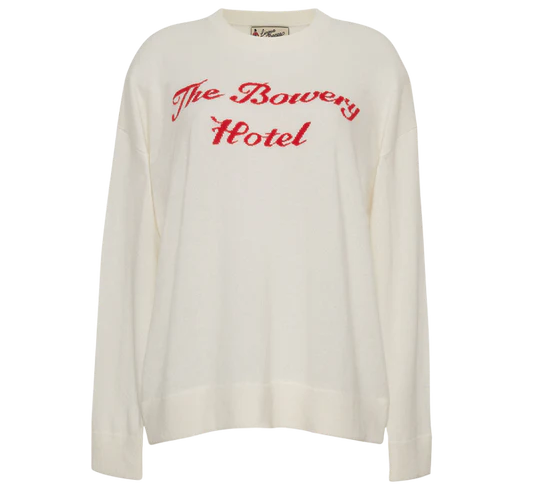
Quality merch. Brand extension galore when you can live your favorite hotel’s aesthetic beyond the stay.
A proper hair dryer. Firefly in Zermatt has a Dyson in every single room.
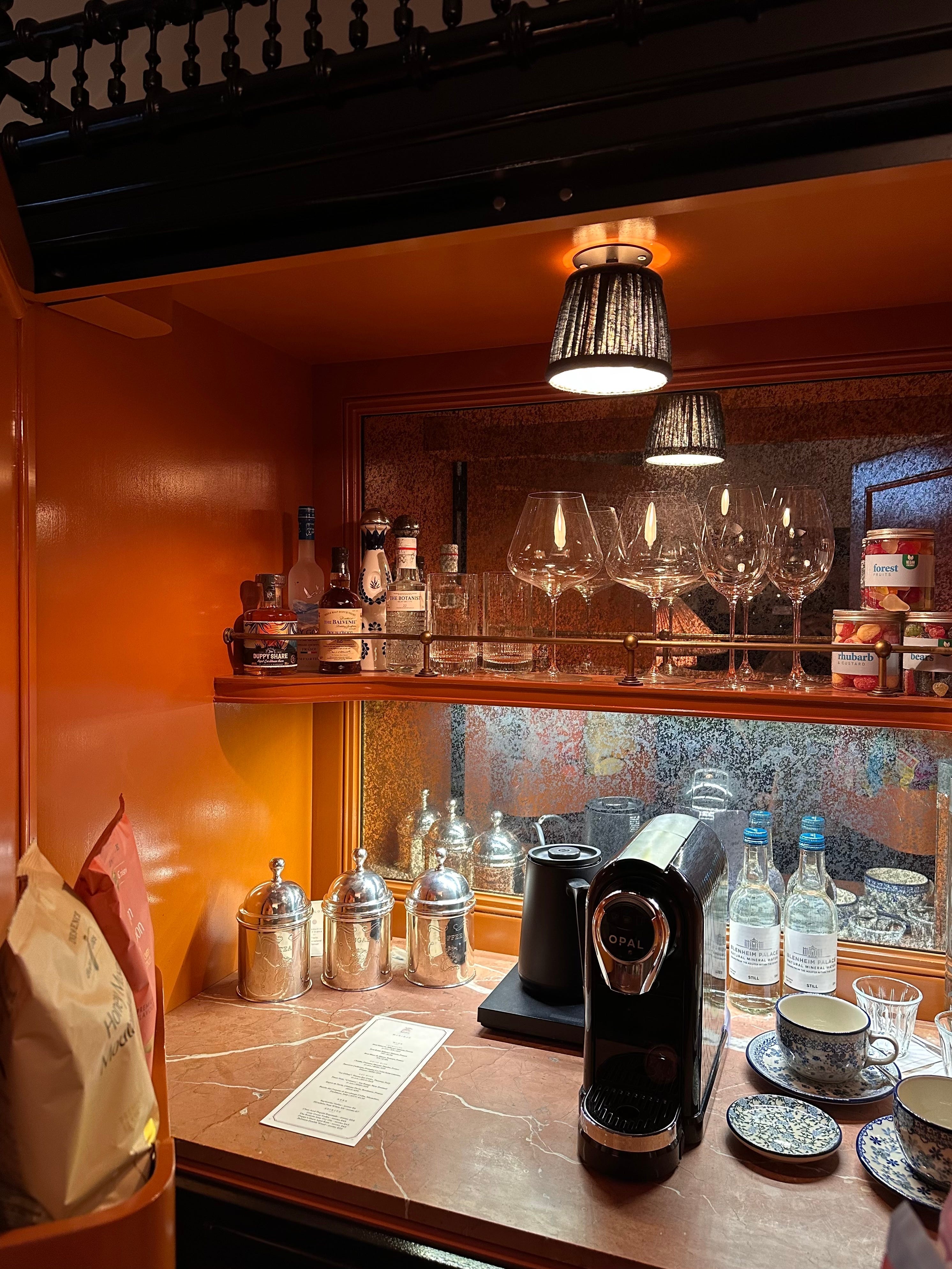
Mini bar stocked with local goods, and hot take: the mini bar should always be complimentary at luxury hotels! (Note from Sanchita: YES! Don’t give me coca cola or sprite. I want to know the regional soda that nobody outside a fifty mile radius has heard of. I also want to know the local chocolatier, the small-batch preserve. Let me in on the surrounding area, and I’ll stop resenting the upcharge.)
Heated bathroom floors.
Turndown service and a refill of the aforementioned complimentary minibar.
A complimentary spa treatment. Mont Cervin Palace offers a 30-minute facial for all guests (Note from Emma: it rivaled a Biologique Recherche treatment, no joke!)
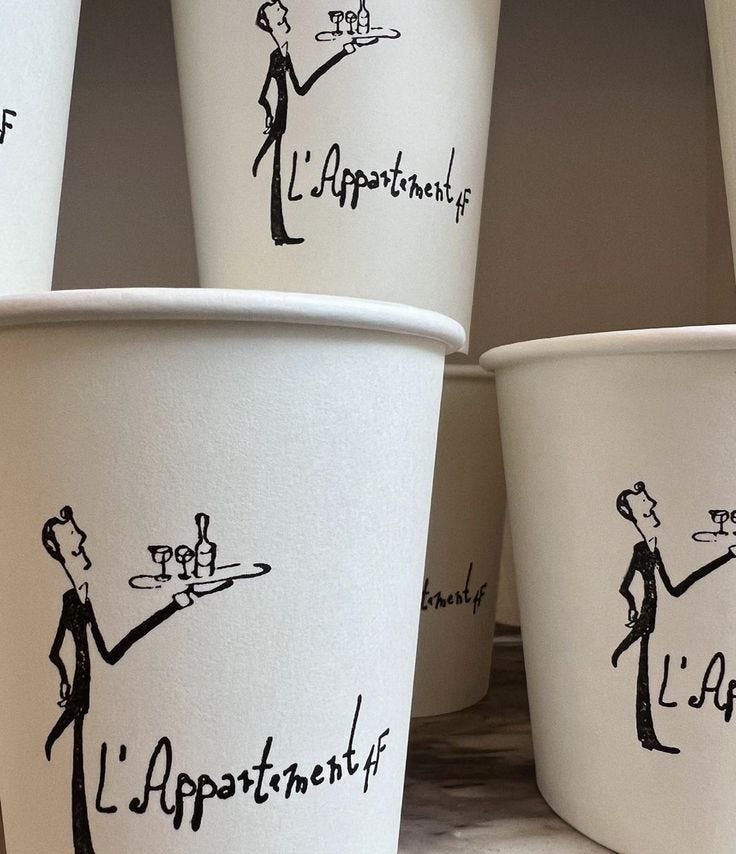
A tea, coffee, and snack station in the common area. Bonus points for (branded) takeaway cups so you can zoom out for a coffee walk.
Plug points where you actually need them. That could be next to the bed, near the desk, not hidden behind the wardrobe or requiring furniture rearrangement.
A room with one overhead setting and no bedside dimmer is a room designed to be photographed, not slept in. A reading light that doesn’t need the overhead should be non-negotiable.
Blackout curtains that actually black out. The gap down the middle. Always the gap down the middle. A design failure so consistent it might as well be intentional.
Mirror placement. The hotel that gives you a full-length mirror somewhere with decent light has understood my psyche.
Enough drawer space to actually unpack. The wardrobe rail with four hangers expects you to live out of your suitcase. Many of us just accept this, but we shouldn’t.
Speaking of hangers, they need to detach from the rail. I don’t know when the fixed anti-theft hanger became a thing, but I would be mortified if I found them at a so-called luxury destination. The hotel is essentially saying they don’t trust you.
The bathroom counter. Surface area. Most boutique hotels sacrifice it for the stone slab aesthetic and leave you balancing your toiletries on the edge of the sink. Like the one below; plenty of surface area.
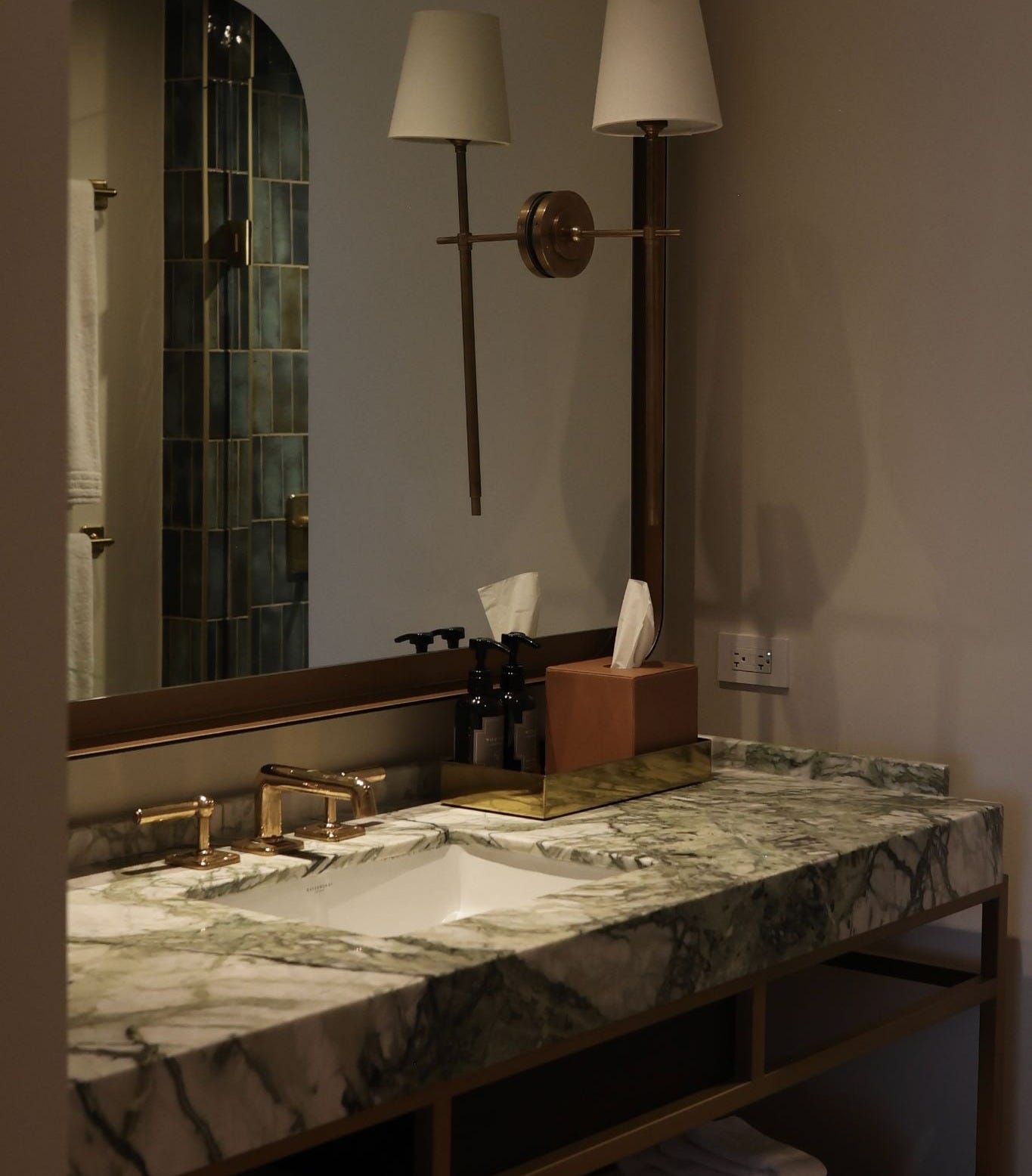
How sexy is the surface area on this one?? I don’t mind hotels with a signature scent. That’s encouraged. But I don’t want it in the room. The room should smell of nothing, and a neutral scent is surprisingly hard to achieve.
The shower pressure. Temperature, too. Both need to be consistent but variable.
Towel quantity. Rule of thumb: stock rooms with more towels than necessary.
Also, bath sheets, not just bath towels. The size distinction is notable.
The bedside table surface area. Similar to the bathroom counter, the bedside table should have room for miscellaneous objects. Phone, water glass, reading glasses, trinkets, etc. (Note from Emma: and the 5-6 journals and books I’m always carrying with me)
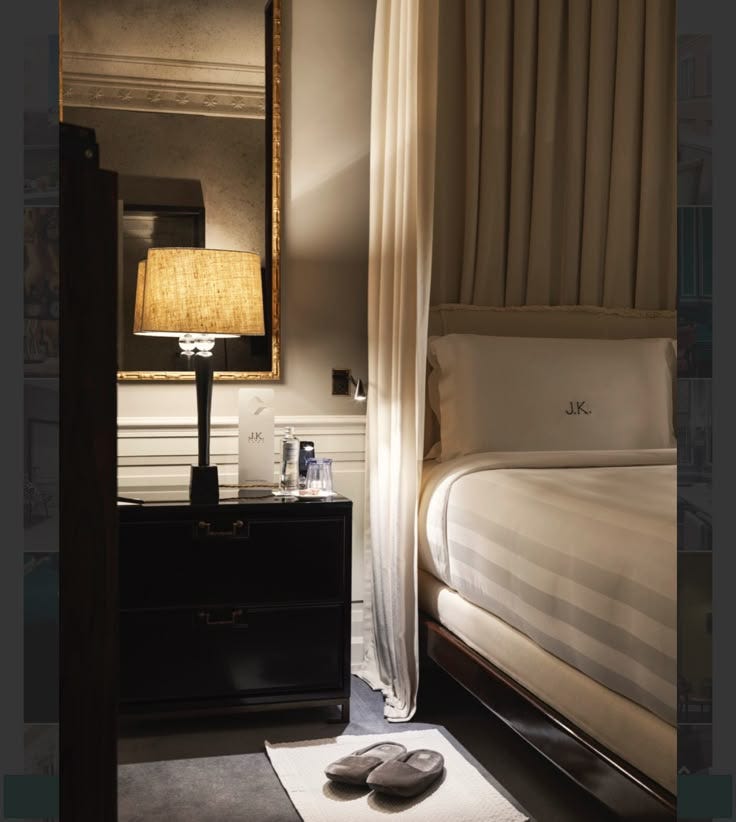
Pillow choice. Firm or soft, offered without being requested. Hotels that do this have understood that sleep is a core product.
Water. Always. A full carafe, refilled at turndown, without it appearing on the bill. Charging for still water in a four-star-or-more hotel is abhorrent.
Adequate task lighting at the desk. The number of hotels with a desk that can’t actually be used for work after dark is an indictment of who they imagined was staying.
More lighting woes: wardrobe lighting. A dark wardrobe in a dark room requires a phone torch to locate dark trousers. Solved by a motion sensor costing less than the soap amenities.
A printed neighbourhood map or city guide. I love the Orso Guides that Orso Hotels print and leave in each of their hotel guest rooms in Paris.
Similar to this, a note about what’s happening in the city that week. Curated and dated.
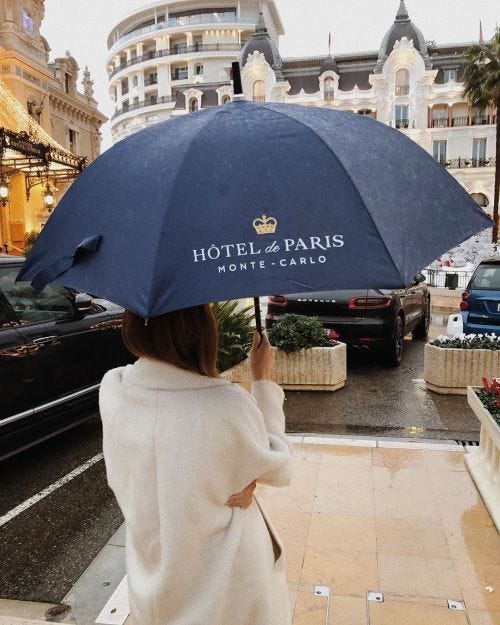
Portable umbrellas. I appreciate that hotels can provide those massive ones when needed, but sometimes you just want one that slides into your bag when you’re heading out.
A proper shoe horn. Long-handled. The detail is so small and so cheap to get right.
Breakfasts that can be taken at an actually reasonable hour. Not 6:30 am for early flights or 10 am as the outer limit. Give me breakfast until noon on weekends.
A stocked needle and thread kit. I don’t know why a lot of hotels stopped providing this, but they’re great to have just in case.
Learn the name of the guest and use it correctly. The recovery from mispronunciation isn’t to abandon the name and replace it with ‘ma’am’ for the remainder of the stay (Note from Sanchita: this has happened to me and is worse than the original error).
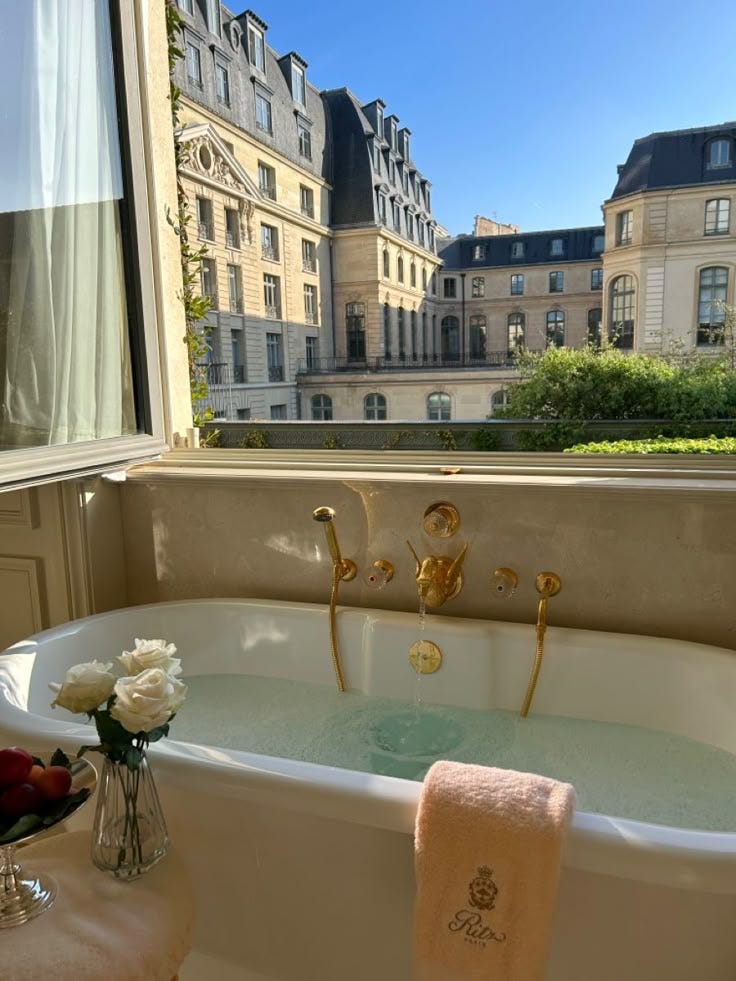
A bath that fits a human body comfortably. It sounds absurd to even have to say it, but so many are sculptural first and functional second.
The exact placement of the bedside lamp switch. If I have to lean past the lamp to find it, I’m out.
Tissue boxes that aren’t deeply recessed into stone or wood that you have to dig for the first tissue.
Curtain tracks that don’t catch halfway. The uneven glide is a mood kill.
It is simple to applaud, congratulate, and thoroughly enjoy a property that gets these details right.
And luckily, oftentimes great details are free (or cost the same) to execute, but make the world of a difference.
What did we miss? Hard agrees or disagrees? We’re dying to know!
We hope you enjoyed your stay,
🔑 Emma and Sanchita

What a pleasure to work on this with you! We may be picky, but at least we know what we want.
Fabulous list. The medium is the message in your own attention to detail! The only one I had a full body reaction to was using my name. Only people who know me get to use my name. I expect Madam/e from staff. (I have accepted, finally, that I'm no longer Miss/Mademoiselle - except to our lovely doorman at work who still calls me Miss and therefore has my whole heart.)