

Dear guest,
at the time of writing this letter, there are already over a hundred people checked in to tPH, which means it will soon outgrow its boutique status. How bittersweet!
But please, stay and enjoy this fresh-out-the-oven edition of The Reservation.
Welcome to The Reservation, a tPH letter including long-form analysis and cultural criticism of the hospitality industry and relevant trends.
In this letter: why embodying a third space is the perfect strategic move for hotels (and a step-by-step).
“Third places exist on neutral ground and serve to level their guests to a condition of social equality.”
— Ray Oldenburg, The Great Good Place
At the beginning of 2025, the New York Times asked, ’where have all the third places gone?’.
Third places are indeed disappearing, as much of the time we used to spend connecting has been replaced with (doom)scrolling. The physical places where connecting with friends and strangers alike used to happen have been optimized away, as they were taking space from more profitable uses of square meterage.
What is a third place?
A third place, a term coined in the 1980s by sociologist Ray Oldenburg, is somewhere beyond home and work, where you are not tied to the responsibilities or identity of either. They are signified by their welcoming of both strangers and regulars; environments, where community thrives through conversation and presence.
Perhaps my favorite feature of third places is that they are signified by playfulness. According to Oldenburg, it is precisely the element of playfulness that distinguishes a third place from the laborious chores of home and work.
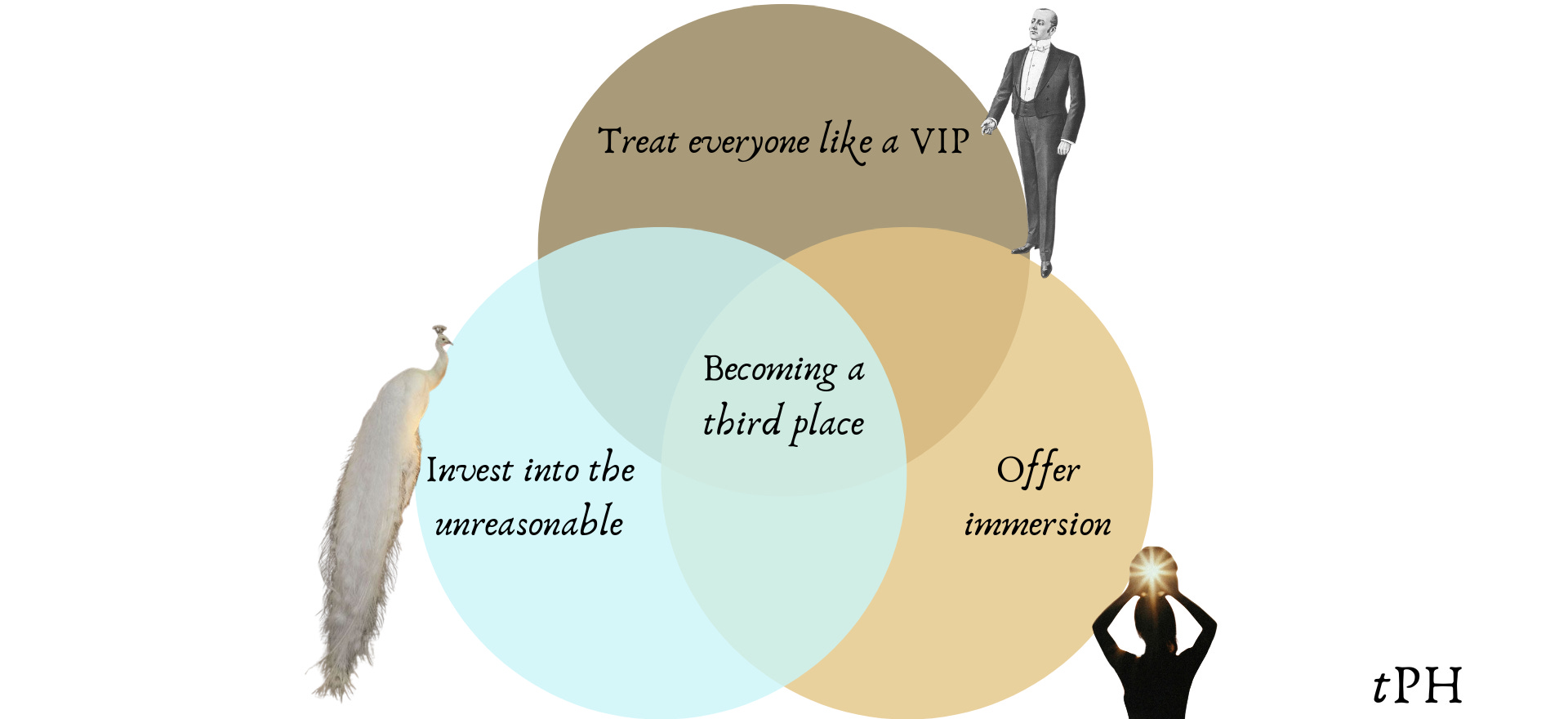
Us human beings are built for community. As these contexts have become rarer, there is a yearning that I think hotels should lean into, as they have the ability to provide a (third) place for community to emerge.
Here’s why I think hotels are the ultimate third place.
1. Treat everyone like a VIP
Do you know what I think the marker of a really great hotel is? That they treat every person who steps into the building as if they are occupying the most expensive suite on the property (this also applies to restaurants, retail stores, cafés… anywhere where you are given service). This is because when hospitality is good, it doesn’t matter who you are.
I have fond memories of spending an early spring day at the lobby café of Gstaad Palace. We were not staying at the hotel since we were only visiting for the day, but not once did my group and I feel out of place.
We ordered coffee on coffee and fries and more coffee, and I felt like I belonged in the scene, just like everyone else.
An especially charming image I recall is my friends and I engaged in a game of UNO with around ten teenage private school boys seated at the table next to us in their Loro Piana polos (oh to be 15 again).
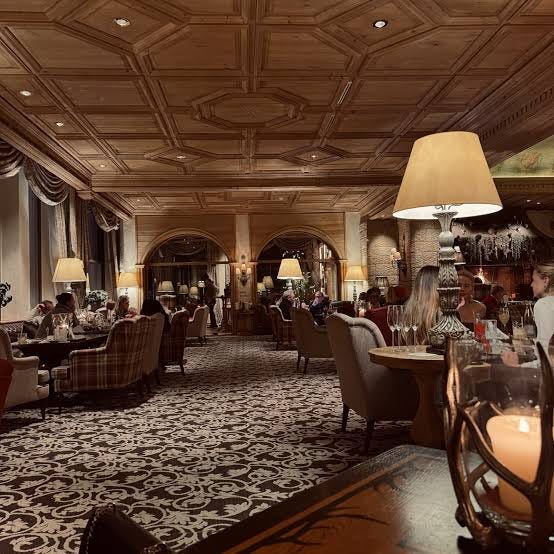
Now imagine this had gone differently. Instead of being warmly welcomed, picture being ushered out, made to feel less-than a guest. While it’s an unpleasant predicament, it’s also strategically unwise for the hotel.
When a hotel manages to become a place to reside and belong not only for the guest but also the surrounding community, to those passing by, to whomever, it can build loyalty and rapport (and ancillary revenue streams!!!) on a level not reserved to more exclusionary properties.
Sooo in other words (and the strategic takeaway for you industry people): A tell-tale sign that a hotel has become a third space is when locals have found their way in and embrace the property as an extension of their lifestyle.
A special kudos to those hotels that have a wellness club so good (e.g., including a gym) that people in the area get a membership (like this St. George situation in Helsinki).
2. Offer immersion
When you are not at work or home, it’s almost as if you can be someone else.
Hospitality often offers escapism, and many of the best hotels make you feel like you are in another existence altogether, and allow you to exist out of your ordinary context.
For instance, a remote Aman sells silence and ritual, which our society today is largely devoid of. Chateau Marmont, on the other hand, sells the feeling that you may bump into someone interesting (I think this feeling of curated connections is what SoHo House tried to achieve but seems to have issues sustaining on the long term).1
A great limited-service example (because we love good hospitality no matter the segment) is Bob W., that lets guests cosplay locals by – instead of offering breakfast in-house – partnering with local cafés. This way guests naturally branch out in the environment in an entirely different and more immersive way.
Hotels that manage to build a distinct atmosphere that promises something out of the ordinary have guests leaving more fulfilled; and perhaps even changed on some level.
3. Invest in the unreasonable
Playfulness and unreasonableness should be the rule, because what would be more extraordinary than play?
When I think of playfulness, going the extra mile, and pure, unadulterated fun, I think of hotels where the bellboys still wear traditional uniforms, or you are greeted by an usher in a top hat who always calls you madame/sir.
Or even better, staff remember your name and notice details about you. I don’t know how creepy you’ll find this, but once a very esteemed gentleman working as hotel security (at the most exciting Europe hotel opening last year), had seen me doing a silly dance to my sister in the hallway on the CCTV.
He later saw me in the lobby and complimented my dance moves (I personally found this charming! Because why yes thank you sir my dance moves are really good).
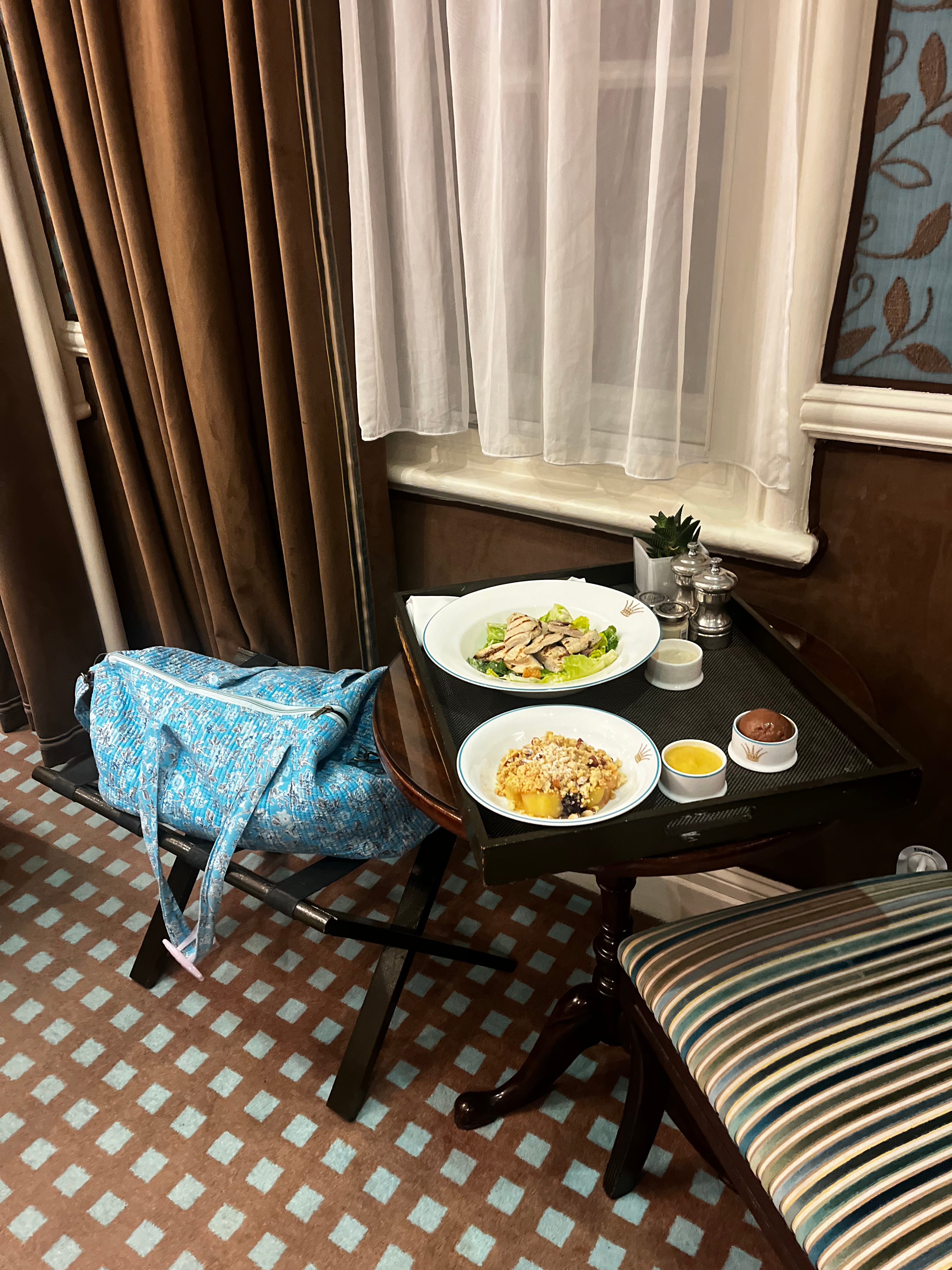
More fun and play from the guest perspective ensue when you are able to execute your personal hotel rituals. A staple of mine is to order a chicken caesar salad and a dessert from room service, followed by requesting a wakeup call from concierge with the response being ”gladly, madame” (as you can see, being called madame is very important to me).
The last example, too unreasonable not to share: I remember this one instagram post from circa 2014, when the photos were still square and algorithm was a math term.
Someone (I cannot remember who, but probably someone notable considering the following) had arrived at the Carlyle, only to find their initials embroidered on the pillowcase. This is something the hotel offers its VIPs to this day.
Are you kidding me!!!!!!!! The impact of that is not small, considering I still lend brain power to this gesture of absolutely beyond-the-mark hospitality that did not even happen to me (one day).
In his book Unreasonable Hospitality, Will Guidara explains how his team made creating these memorable moments the very core of their restaurant business, with the humble result of being named the best restaurant in the world. If that’s not enough reason for you to invest some thought into whimsy, then I don’t know what is.
So take it from me (and Will), surprise your guests. Do something silly and unprecedented that will not only stick with them but with whomever they happen to share it with as an anecdote.
So you want to become a third place?
I strongly believe that hotels that are successful embody the concept of a third place will create unprecedented loyalty and become phenomena in their own right.
The demand is strong, and it only takes hotels leaning into their fundamentals for something wonderful (and lucrative) to emerge.
The blueprint, in short, is:
Treat everyone like a VIP
Offer immersion
Invest in the unreasonable
It is, in a way, the very point of hospitality to allow a guest to exist differently for a while. At its best, they are transported to a world of elevation, connection, and whimsical fun.
I cannot think of an industry more suited to create such a universe than hospitality (which is why I love it here so much).
Thank you for reading tPH. I’m grateful to have drawn in a bunch of people who enjoy overthinking hospitality as much as I do.
Yours truly,
🔑 Emma

I’m a hospitality strategist and writer with a philosophy degree I refuse to let go to waste. You can find me on LinkedIn.

Yes we definitely need to have a discussion about the whole membership club spiel now that SoHo House is once again taken private… do you have thoughts? Personal conundrums? Text me, I need to know!
Great blog. The idea that true hospitality blends belonging, immersion, and a bit of magic is what makes a place unforgettable.
Emma, this resonates deeply.
The notion of the ‘third place’ captures something essential—hospitality at its highest level is not about where you stay, but how you feel. Neither home nor work, but a space where one can simply belong.
The hotels that truly succeed are those that create this sense of ease, recognition, and quiet connection—for guests and locals alike. That is where service becomes something more enduring: an experience that stays with you.
Beautifully expressed.