

Dear guest,
You know how many hotel experiences fall flat? The rooms may be beautiful, even kind of contemporary, but the experience feels hollow. You never quite forget that this is a hotel and last night there was someone else occupying this room. And tomorrow it will be someone else.
But then again, there are the hotels that could only be described as transcendent. And I have found that the common denominator in these hotels is that they are able to make you feel like home.
I’m on a mission to crack the code behind hospitality that makes you forget the outside world. Turndown Service™ is a tPH letter dedicated exactly to this endeavor of mine.
And while we will be discussing the finer, softer, experiential things, that doesn’t mean we don’t have a methodology. We are approaching hospitality in a phenomenological way, meaning that we believe we can arrive at truth through lived experience.
This means we will also take a look at what some of the most chic properties on earth are doing, and dissect what makes them so great.
So voilà, I hope you are tucked in nicely (this is turndown service, after all), and ready to dive into why I think dwelling is the secret sauce to home-like hospitality.
Welcome to Turndown Service, where we immerse ourselves in an experiential detail or sentiment.
In this letter: Heidegger on dwelling, chilling at Massimo Bottura’s summer house, and the only hotel in Stockholm
An extremely short history of the origins of the hotel
The word “hotel” comes from the French hôtel, which originally meant a large private residence; a townhouse for aristocrats and their guests. Many hotels today have omitted this part of the history of the industry from their modus operandi, and focus on offering a run-of-the-mill guest experience that’s neither memorable nor personal.
But the hotels that never did away with the private residence sentiment are some of the best in the world, and the reason is quite simple: they are able to offer guests a dwelling.
What is dwelling?
“To dwell means to belong to a given place.”
- Martin Heidegger
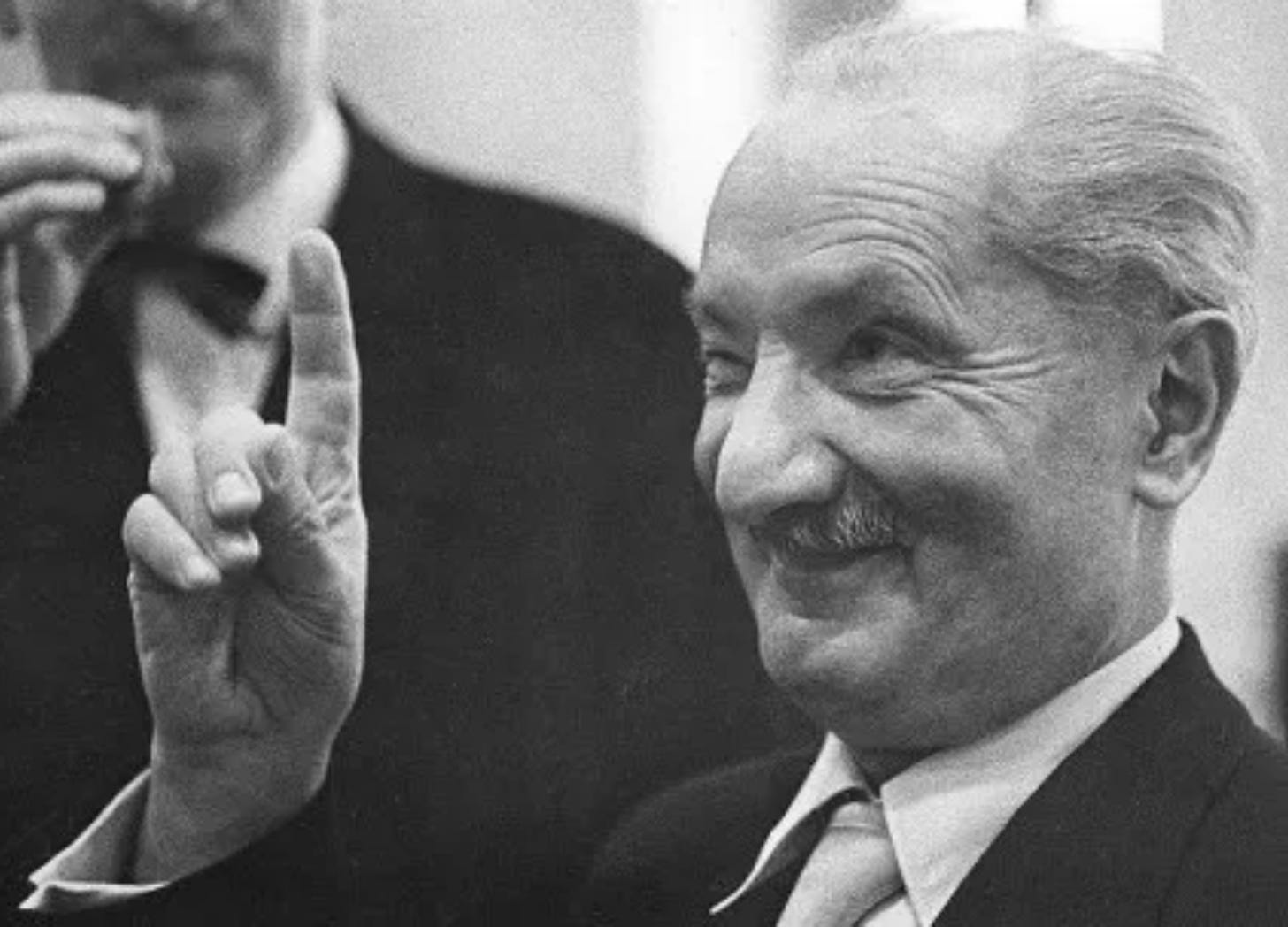
German philosopher Martin Heidegger (1889-1976) wrote that to dwell is not simply to occupy a space, but to be at peace in it, and to be “spared” from hurry and harshness.
He distinguished between, on one hand, buildings we merely use, and on the other, places where we truly reside. Dwelling indicates lingering presence and the opposite of hurry, something that Heidegger argues to be central to the human condition.
But how often do we dwell in our day-to-day? Perhaps our busy lives keep us in a perpetual state of passing through, which is the antithesis of this desired state.
Hotels have always promised escape, but the ones that leave the strongest impressions offer a place to dwell, creating a sense of belonging.
Now if you allow me, I’ll take you on a small journey to two of my favorite hotels dwellings. (These two are so good I borderline want to gatekeep them).
Dwelling #1: Casa Maria Luigia, Modena, Italy
Michelin-starred chef Massimo Bottura’s summer estate slash boutique hotel, Casa Maria Luigia, is a masterclass in authentic hospitality.
There are options of rooms… or you could stay in Bottura’s literal summer house. Sure!
The house features a few bedrooms, a pool, a fridge stocked with little amuse-bouches and, my favorite, Chef Bottura’s vinyl collection. It’s like he personally invited you, and just happens to be running errands at the moment and will return at any time to discuss music and what’s for dinner.


Naturally, dinner and breakfast are à la Bottura featuring many of his world-famous dishes, such as the Parmigiano a million ways plate.
If you’re lucky (and I was!), the man himself may pop up out of the kitchen mid-dinner. This induced a mild freakout in yours truly and a major one in my sister, who proceeded to cry into her food.

I can hardly think of a more intimate hospitality experience than inviting guests into your literal home. I’m already a fan of small family-run bed and breakfasts where heart and soul are poured into every detail. Casa Maria Luigia was like that but on steroids.
Dwelling becomes simple and intuitive when you are trusted with personal collections from art to music to furniture, in a space that hints at a person’s real interests and everyday life.
Dwelling #2: Ett Hem, Stockholm, Sweden
A Scandi example is Ett Hem, a Stockholm hotel made up of three private houses, where you get to cosplay a Swede with extremely good taste.
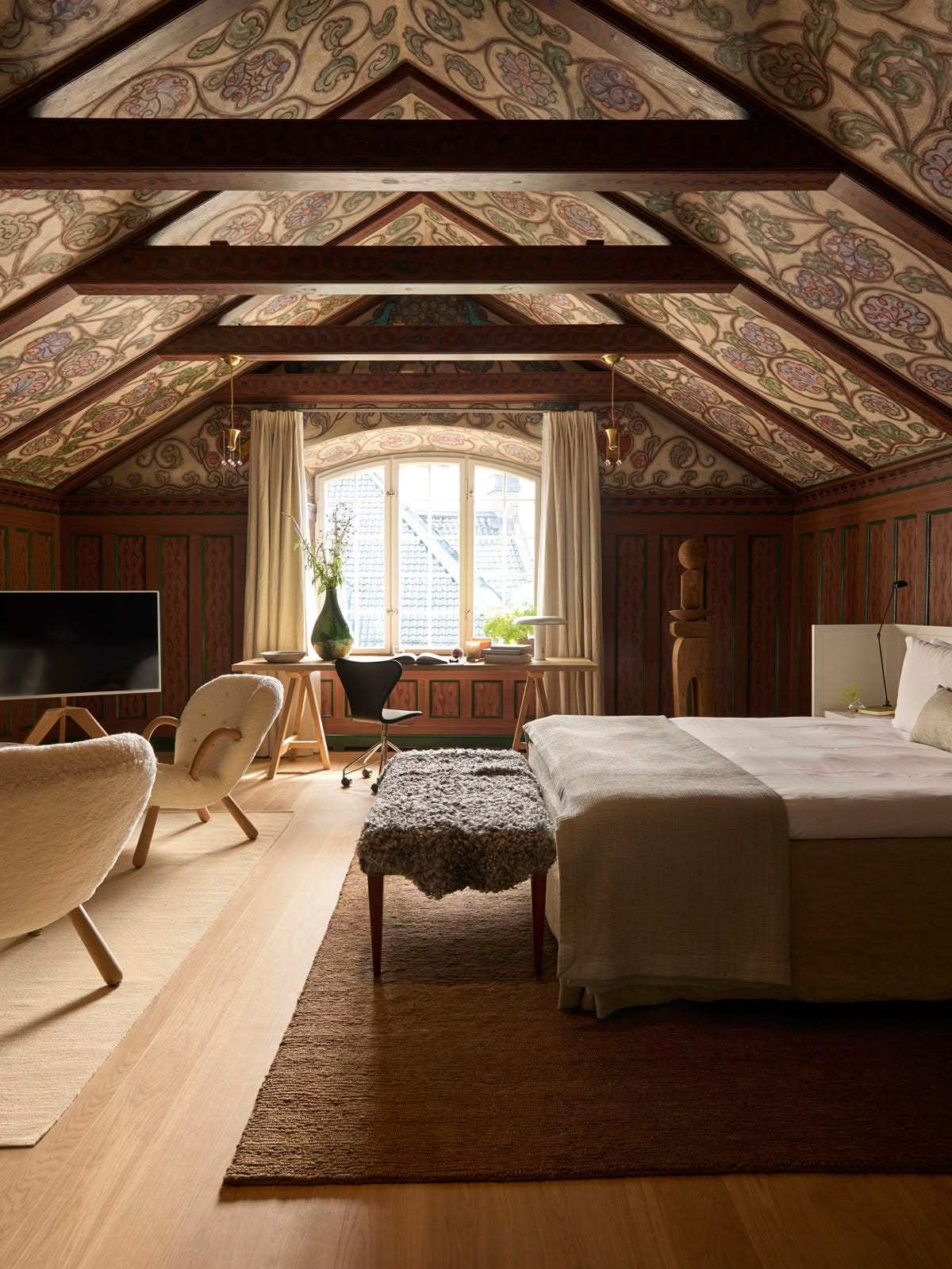
Guests are made to feel they belong by being treated as friends and family, and the chefs create in the open kitchen right in front of you, from local produce.
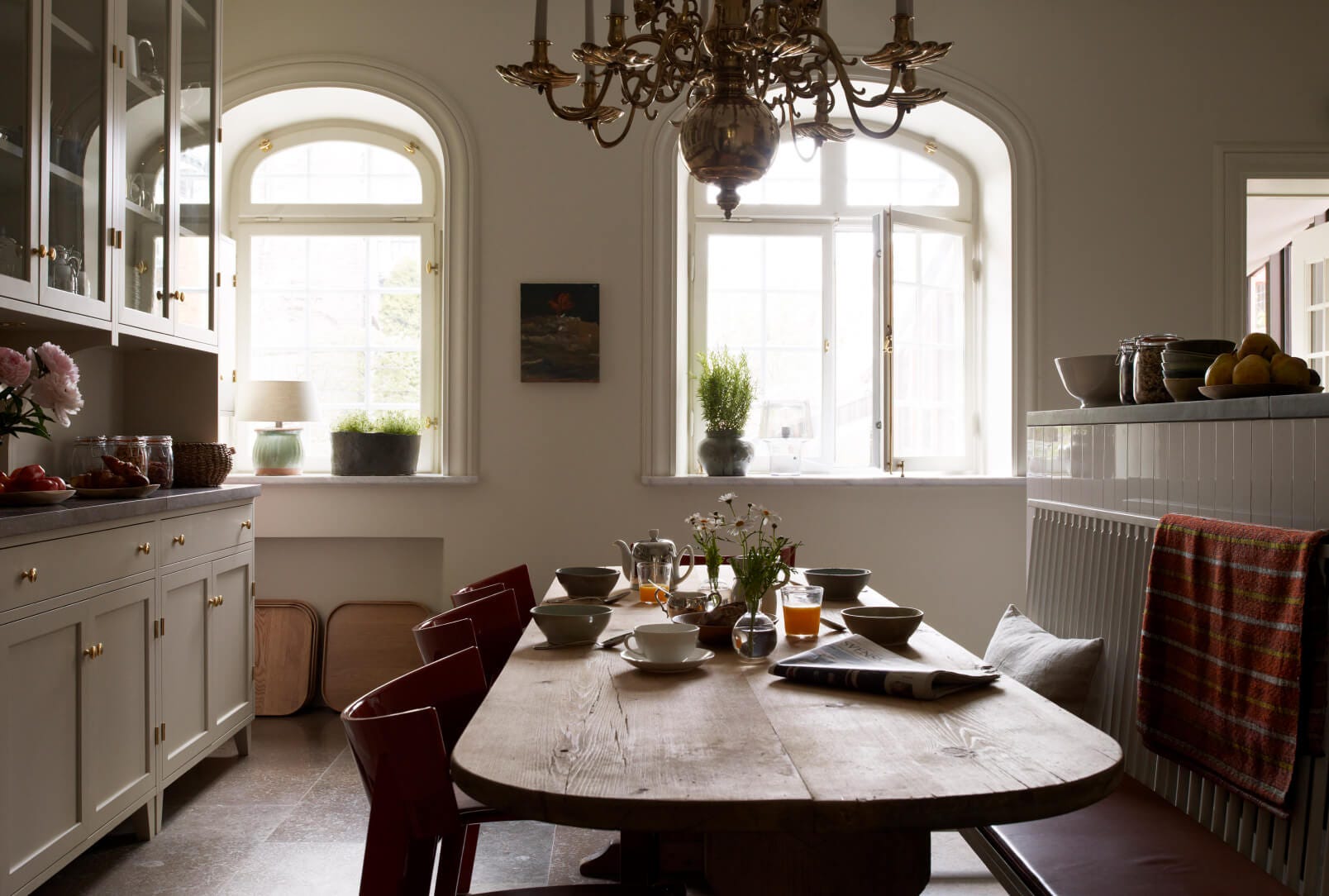
Everything from linen to art pieces has been curated to the max, with full-sized products for an entire skincare regimen in your bathroom, which makes it feel like you’re sleeping over at a gallant friend’s house who just really loves the brand Mantle.

In a way, details like beauty products in the size you would find them at home and an abundance of gathering areas create opportunities to dwell. We move differently in spaces where we feel at home than in unfamiliar ones. Full-sized skincare is something that one associates with home, not with a hotel stay.
TLDR: everything simply feels purposeful and a feeling of dwelling can be induced through detail.
Why your hotel should be dwell-maxxing
We spend so much of life in transit. Passing through airports, meetings, cities, and rarely do we stop long enough to actually be somewhere.
Hotels could be yet another place we pass through, and many of them are. Check in, sleep, check out, forget, repeat.
But hotels that are crafted for dwelling and understand the deeper intimacy of hospitality offer an increasingly rare encouragement to stop, linger a little longer over breakfast, play a record, and just exist.
Casa Maria Luigia and Ett Hem are fantastic examples of how a hotel can, through intentionally creating a home-like environment, become a universe of its own where guests get to live differently (completely oblivious to the fact that there was someone before them, and there will be someone after them).
Heidegger and I would call that dwelling.

Thank you for taking the journey with me, dear guest. You are in great company here at tPH.
Yours truly,
🔑 Emma
I loved this. I stayed at Casa Maria Luigia last March and it was magical. You captured it perfectly. I haven’t stayed at Ett Hem, but I’ve been fascinated by it ever since watching Ilse Crawford’s documentary. I highly recommend it if you haven’t seen it. https://www.youtube.com/watch?v=5f7fHHEr_NA
Ok so Heidegger as a hotel reviewer is not something I expected to work this well. But the Casa Maria Luigia description sold it the vinyl collection, the stocked fridge, the feeling that Bottura just stepped out and might walk back in any second. That's not a hotel, that's a very generous haunting. And your sister crying into her food when he actually appeared is the best review any chef could hope for. The full-size skincare point is quietly brilliant too nothing says "you're passing through" louder than a tiny shampoo bottle.