

Welcome to The Reservation, a tPH letter including long-form analysis and cultural criticism of the hospitality industry and relevant trends.
In this letter: Cult status hospitality, presenting the CULT™ framework, and what it takes to create an obsessive clientele.
“Cult status isn’t earned instantly or merely through marketing, it’s the compounding effect of getting every facet of the business strategy right, from the product itself to the way you market it to the experience you give your customers, over and over again.” – Julianne Fraser for New Motives
Dear guest (or should I say, initiate),
I stumbled upon the quote above the other day, and it got me thinking: what does cult status mean in the context of hospitality?
This week, we will break down the anatomy of cult hospitality to see what it takes to become the object of obsession.
Enjoy!
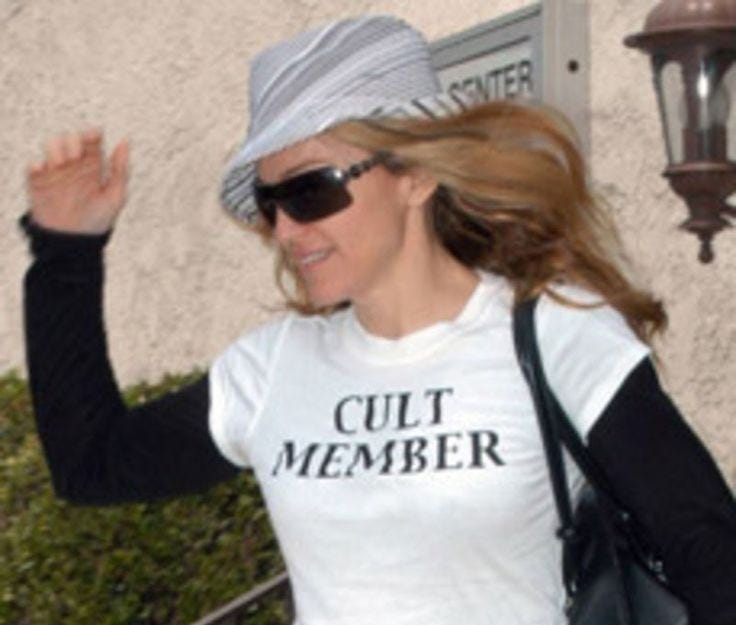
What does it mean to be a CULT™ brand?
A cult is a social group that is signified by an extreme and often unorthodox belief system, as well as intense levels of loyalty from its members.
In the past two decades, the word cult has also become a prefix for the most beloved and coveted brands in beauty, tech, fashion, and even grocers. In a world that is increasingly devoid of rituals dictated by institutions such as religion and the state, and as our role as human beings is reduced to that of a consumer, many now look to brands as sources of meaning and belonging.
But not all brands achieve cult status.
The anatomy of CULT™ status (a tPH framework) is actually quite simple, reducible to four sacred tenets:
Characterful
꩜
Uncompromising
꩜
Loyal
꩜
Transcendent
Compared to other categories, the hospitality industry, in my opinion, has an unparalleled density of meaning, which is an excellent breeding ground for CULT™ status.
Characterful
A huge part of cult status is built on audacity; audacity to stick to an aesthetic, a narrative, a specific vision, even if trends sway elsewhere.
As more money is being poured into hospitality by the day, and the investor pool is widening to even include the most conservative and risk-averse profiles that have not wanted to have anything to do with the sector, it’s fundamentally affecting the pipeline.
Risk averse investors want to play it safe, and playing it safe means sticking to a) palatable and b) standardized concepts that can be scaled for the best ROI.
But you know what they say: no pain no gain.
You know what they also say? To be liked by all is to be loved by none (can you tell I am a very serious philosopher?).
Most hotels are designed to be liked by everyone, which is exactly why nobody is a devoted obsessee of them. A cult hotel, on the other hand, is one that has taken the necessary risk of going all-in on a distinct design identity that may not please everyone.
In his essay on the evergreen film Casablanca, Umberto Eco explained that a cult work must offer “a completely furnished world”, that can be endlessly referenced and quoted, even inhabited by its fans. If the character of a hotel is indistinguishable from that of another, there’s no friction to hold on to.
In a world obsessed with smoothness, having true character (which always comes with an element of friction) requires some serious nerve and commitment.
THE PATRON SAINT OF CHARACTER: HÔTEL COSTES
“THOU SHALT TAKE HOME THE PLAYLIST”
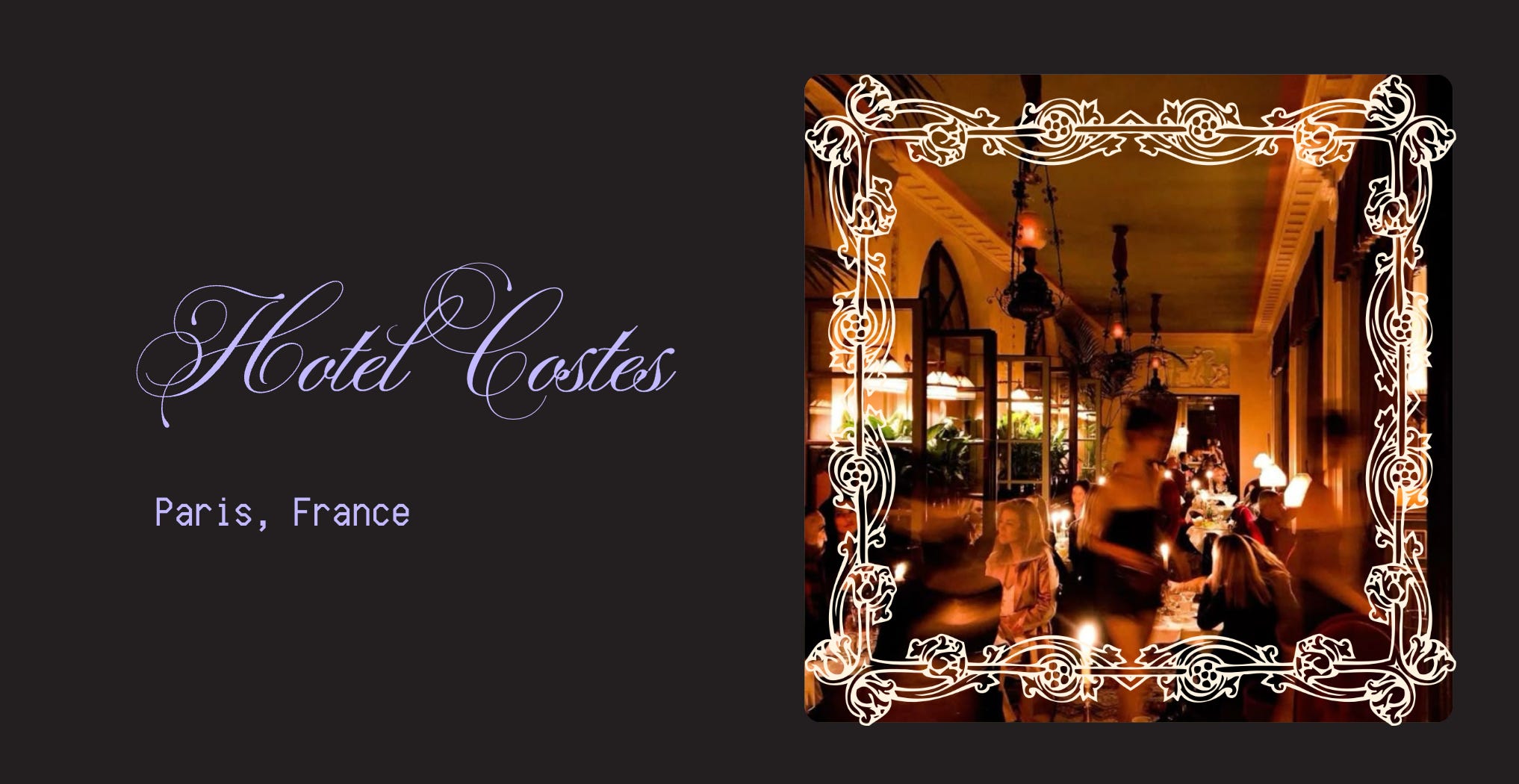
Opened in 1995 by brothers Jean-Louis and Gilbert Costes, with interiors by Jacques Garcia: deep red velvet, low light and Napoleon III excess, private salon, playground of supermodels. Hôtel Costes has a series of iconic playlists mixed by their resident DJ (I’m serious, this is my dream job) Stéphane Pompougnac, and these mixes are still played in boutiques and living rooms worldwide. A great example of how guests can continue to reference a hotel after their stay (beyond the obvious, which is merch. More on that here and here).
Uncompromising
A distinct design language and vibe are not enough, though, as character is only as strong as the consistency around it.
Every cult brand has a list of things it will not be caught dead doing, a level of standard that will never be compromised. This can be in terms of quality, level of service, exclusivity, details, curation – anything really, that is core to the brand’s character.
To be uncompromising means sticking to the plan even if that means less profit now, which, again, is a risk not many are willing to take. If your character is built around quality and heritage, it means you continue to source the antique Italian furniture even though it’s the more cumbersome option. It means ensuring that each and every detail of the experience is thought-out and speaks to the same narrative. No shortcuts!
THE PATRON SAINT OF THE UNCOMPROMISING: TAWARAYA RYOKAN
“EVERY DETAIL SHALL BE DECIDED BY HAND”
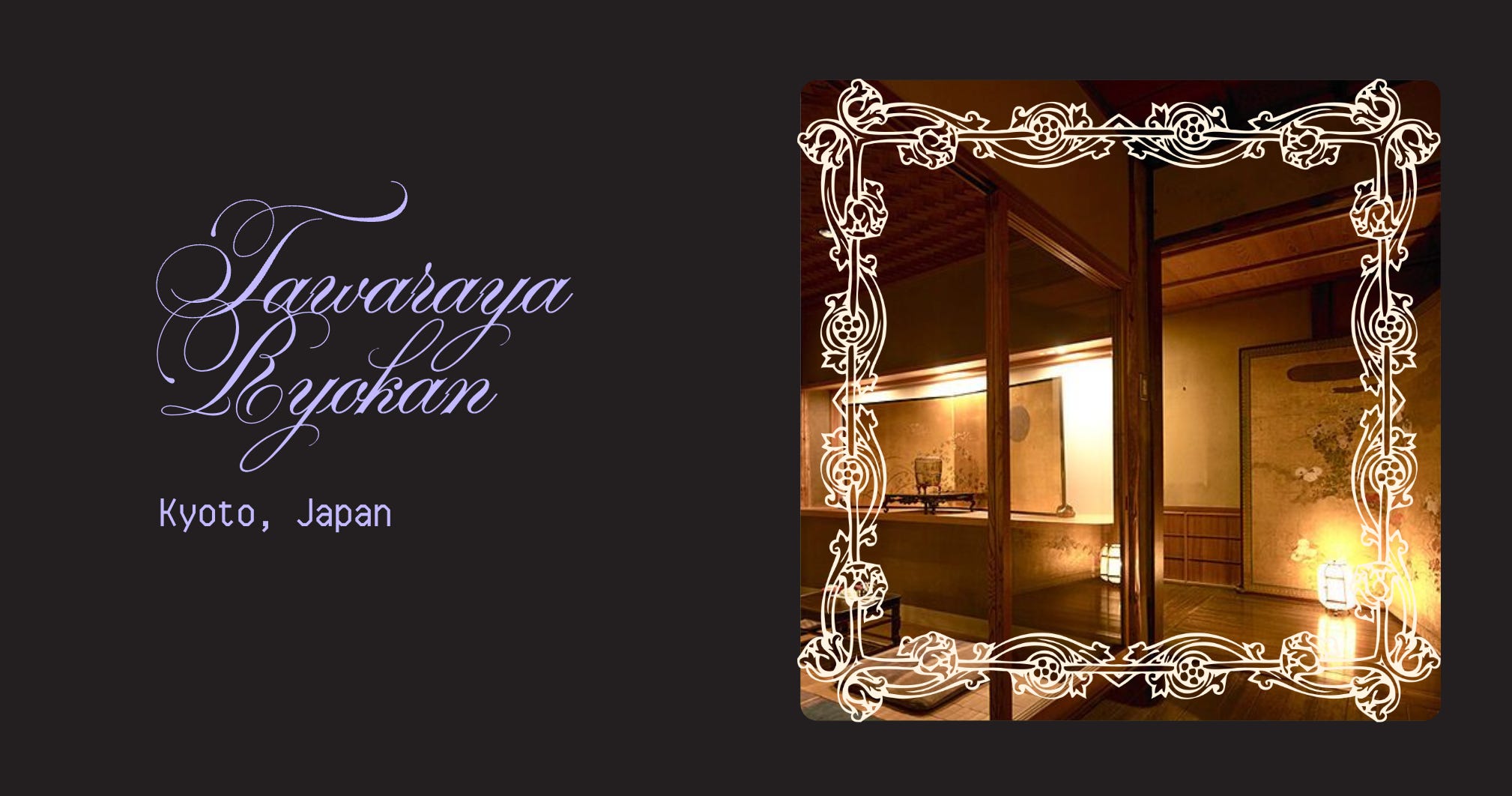
Founded around 1709 and run by the same family for twelve (!!!!!) generations, Tawaraya Ryokan has only 18 rooms, all different. It’s considered to be one of the finest ryokans (traditional Japanese inns) in the entirety of Japan, and each room has seasonal ikebana and antiques curated by the family over centuries. Nothing important is outsourced and no compromises are made. Guests describe feeling like they are “entering a secret world”, and I think this is only possible for a hotel that relentlessly sticks to their thing.
Loyal
Byung-Chul Han writes in The Disappearance of Rituals that “rituals are symbolic techniques of making oneself at home in the world.”
Repetition, not to be confused with overt standardization, is ultimately what makes a place feel like home. In cult hospitality, the hotel is loyal to both its guests and to its own way of doing things, which guests, then, end up reciprocating.
The sacredness of rituals comes from being shared with others. Émile Durkheim called it collective effervescence, which describes the charge a group feels when it gathers around the same symbols. And it is precisely this world of symbols is that gives cult hotels that unparalleled magnetism.
THE PATRON SAINT OF LOYALTY: HÔTEL DU CAP-EDEN-ROC
“THOU SHALT NOT STAGE A PHOTOSHOOT”
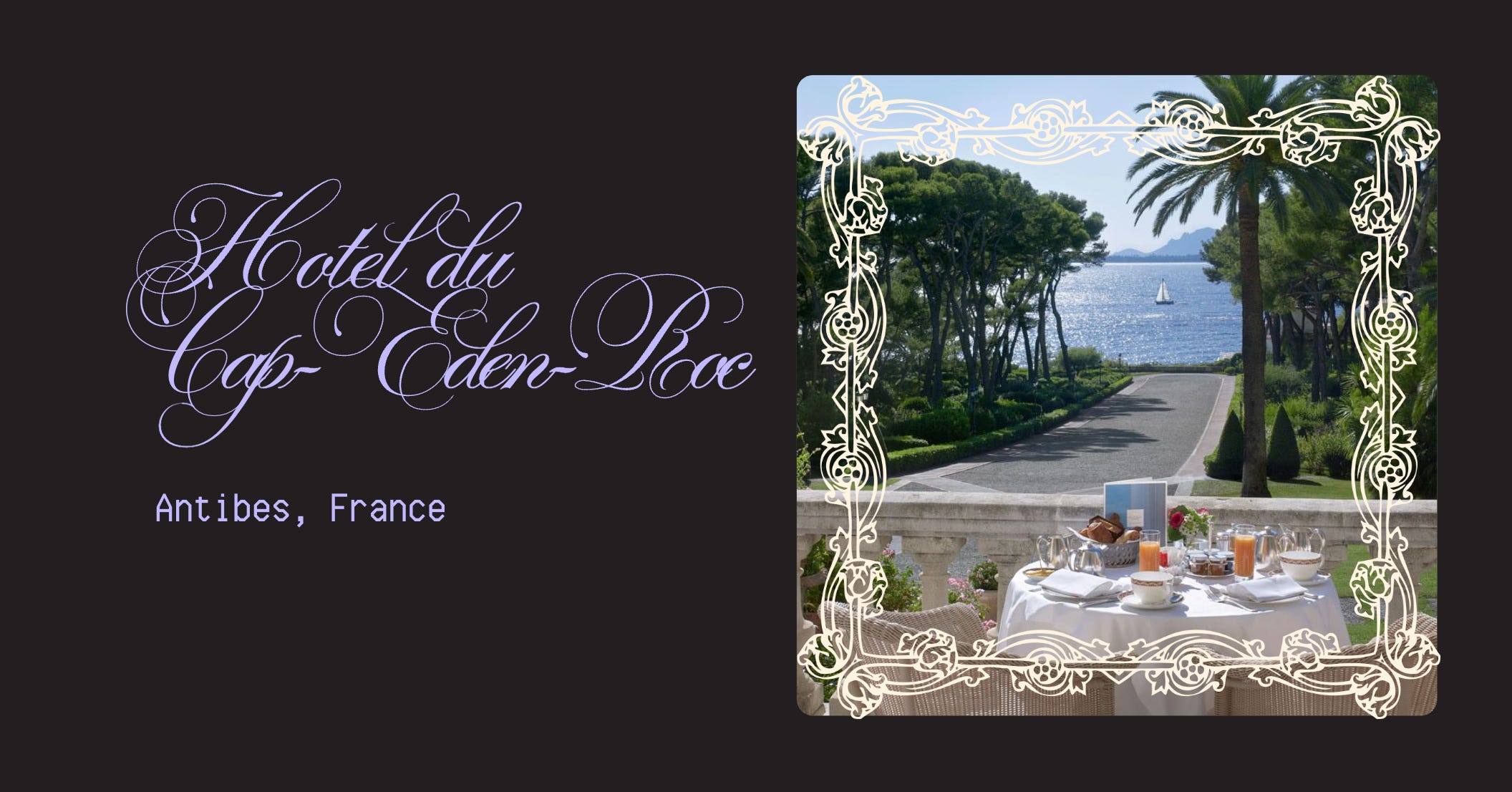
Around 80 percent of Hôtel du Cap-Eden-Roc’s guests are returning visitors, and some have been coming back for decades often to the same exact room on the same dates. In that same vein, it has become the meeting spot for families that continue to connect in the same setting over generations (returning guests get first dibs on rooms before booking opens).
The hotel is loyal both to its service standards and to the guest experience, which is why it has now banned the (unauthorized) influencer content marathons that were disturbing the carefully curated air.
Transcendent
Earlier I mentioned that many of us now look for meaning in what we consume, and this is largely due to the fact that we have become disenchanted as our daily lives leave little room for mystery. Cult hotels are in the business of re-enchantment.
Amanda Montell, the author of Cultish: the Language of Fanaticism explains that cult brands provide “a transcendent promise” beyond the product itself, where consumers feel like better versions of themselves by affiliation.
To transcend is to climb over, to step past a limit where the veil is thin, and beyond which the modus operandi and logic is completely different. Some great hotels make this crossing very literal - I always think of the first season of White Lotus where guests arrive by boat, and end up in this almost psychedelic parallel universe of the resort.
Depending on the cult hotel, this transcendence of the shackles of reality could look like Chateau Marmont (where mischief is almost encouraged) or like the opposite (extreme serenity and stillness).
The manifestation doesn’t really matter, it’s more so the feeling of an alternate reality – which is what gets them hooked 😈
THE PATRON SAINT OF TRANSCENDEN: AMANPURI
“THOU SHALT LEAVE THE WORLD AT THE GATE”
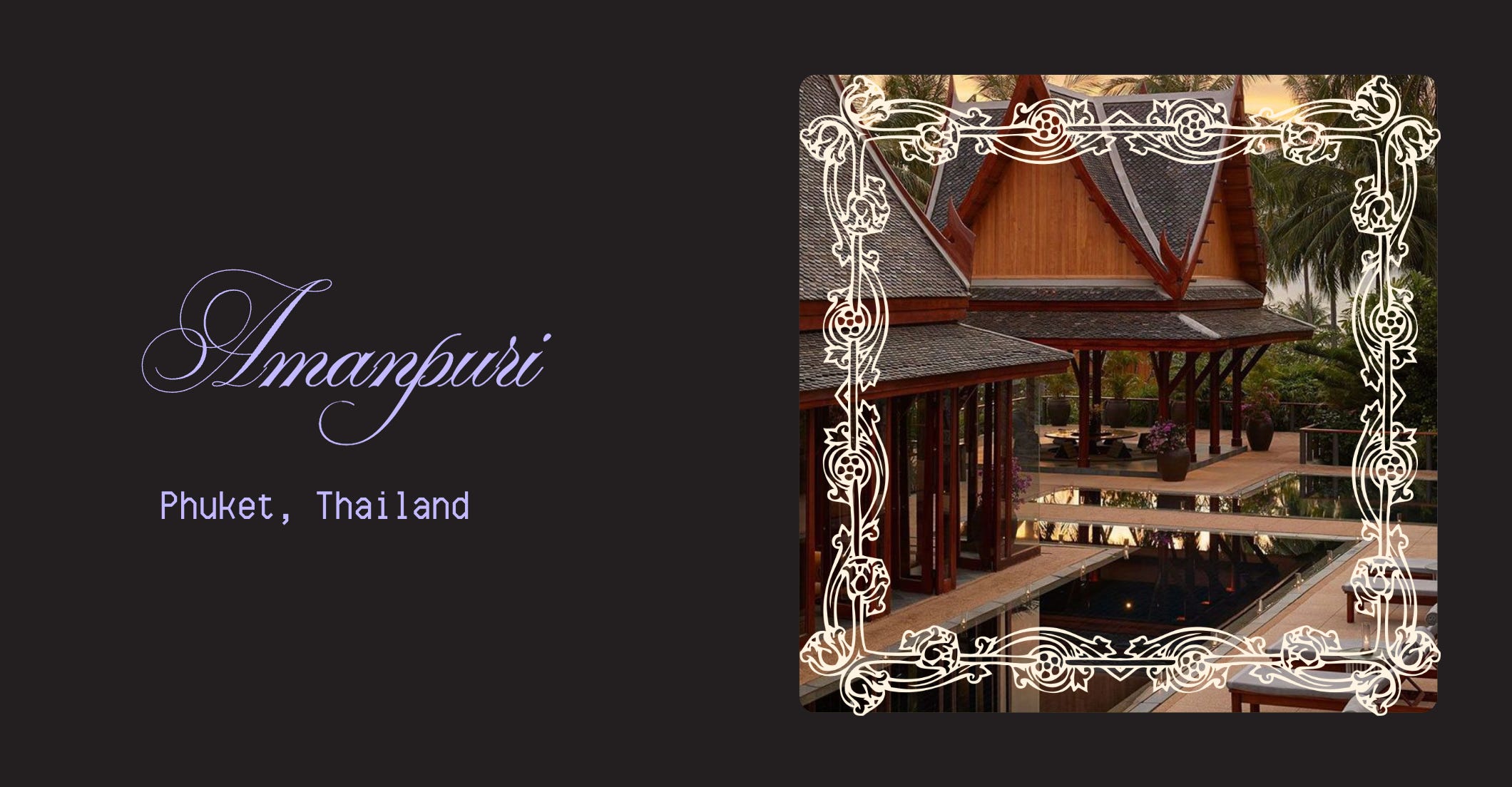
Did you actually think I would write an article on cult hospitality without mentioning Aman? Adrian Zecha opened Amanpuri in Phuket in 1988, and it was the birthplace of a new standard of hospitality both in terms of service and symbolism. Across the different Aman properties you can participate in an array of rituals, many of them shamanistic and spiritual in nature. The brand has amassed arguably the most devoted organic fanbase in the entirety of the hospitality industry.
Repeat after me
Cult status is a side effect of being irreducibly yourself, loyal to the bit, refusing to compromise, and a little otherworldly. You cannot buy it and you cannot rush it, and even if you manage to fake character, the lack of loyalty and standards will have the facade tumbling right down.
Getting every facet right over and over again is no easy feat, which is why we love these properties so much ꩜
What hotel, restaurant, brand, product, service has achieved cult status in your life?
Let us into your obsessions:
I’m not saying I’m trying to build a cult here, but if you know someone who’s interested ;)
See you guys next week,
🙏 Emma