

Dear guest,
Greetings from the Nordic Business Forum, an annual business event focused on leadership and business hot topics.
Among others, the stage was taken on by Steven Bartlett (the man behind the Diary of a CEO whose audience demographic probably overlaps 1:1 with Andrew Huberman’s), and a thought he shared during his keynote.
“Lately,” he says (and I am paraphrasing here), “I’ve been thinking in terms of long-termism in a world where public companies think in terms of quarters.”
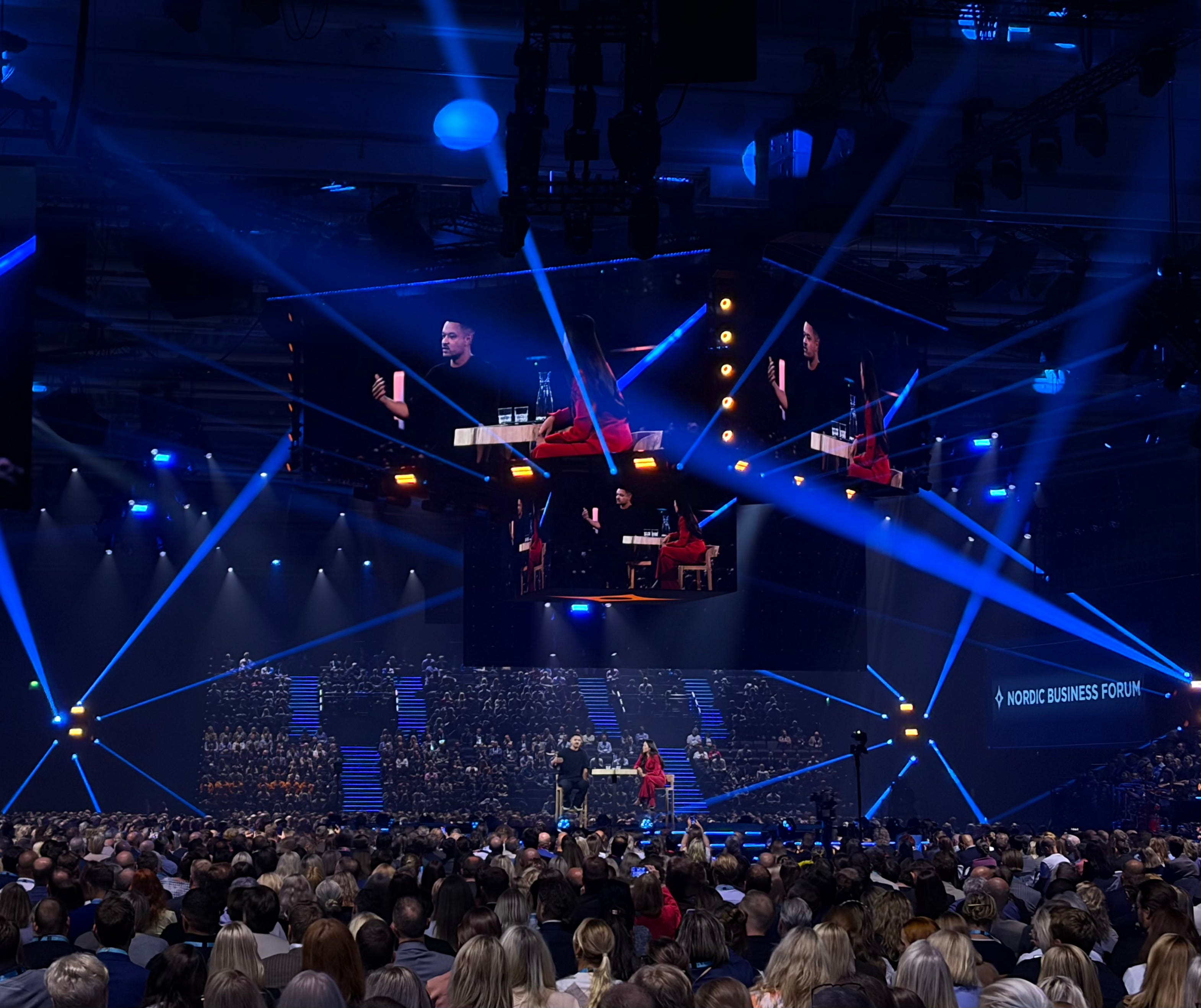
Bartlett argues that when you start thinking about your future goals in the long term, it changes your behavior today. The example he gave on stage was the following: if you are given one hour to build the tallest structure of bricks you possibly can, you will start stacking bricks vertically. It is fast, but the tower is super easy to knock down.
If you are given a year, however, you approach the task completely differently. You lay proper foundations, and you give the process more intention and coherence.
This made me think about the state of the hospitality industry, and the ✨magic✨ that happens when you allow yourself long-term thinking.
Welcome to The Reservation, a tPH letter including long-form analysis and cultural criticism of the hospitality industry and relevant trends.
In this letter: what a Diary of a CEO keynote taught me about hotels, why the best guest experience in the world took 100 years to build, and the case against quarterly thinking in hospitality.”
A great and quite obvious example is Badrutt’s Palace Hotel in St. Moritz, which was quite recently named having the “best hospitality experience in the world” by the 50, formerly known as the World’s 50 Best Hotels (sidenote: if you want to read a good critique of hotel ranking systems such as the 50 Best and Michelin Keys, I recommend this article by Bella Darden).
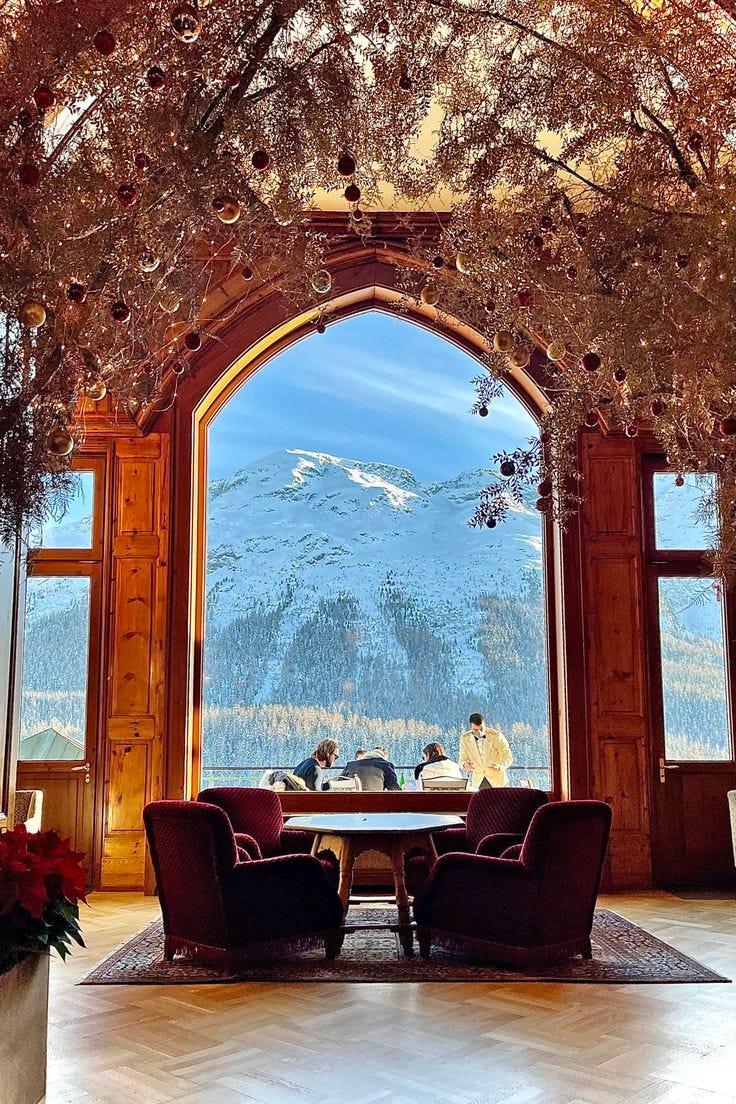
Badrutt’s Palace has an over 100-year history and is still family-owned. The property has built an almost mythical reputation that I think could have never been possible without long-termism.
Each detail, both physical and service-related, has been honed and fine-tuned over and over and over again, without the pressures of quarterly scrutiny that public companies face from shareholders, which also means you can invest into things without the guarantee of immediate results.
In fact, many of the most impactful things a hotel can do are on the harder side to fit into a quarterly thinking mindset. For example:
Sourcing vintage furniture one by one to find the perfect fit
Building a team culture and investing into the appropriate skillsets
Developing relationships with local artisans, farmers, and suppliers that deepen over years
Allowing a brand identity to emerge organically
None of these points can be rushed, and they also happen to be the things that make a hotel stand out above others.
Quarterly thinking is a disease
The hospitality industry is increasingly governed by the same short-term logic that has arguably been the propeller of the rampant enshittification in any sector (movies are worse, clothes are of poorer quality, tech is largely disposable).
Public hotel companies report quarterly, and their investors want growth now. General managers are evaluated on this year’s profit margins instead of the culture that they are piecing together over the next decade.
The result is cost-cutting in the name of efficiency and brand launches that chase trends and end up landing completely shallow in consumers’ eyes. This is the hospitality equivalent of the one-hour brick tower that looks impressive but falls over at the smallest gust of wind.
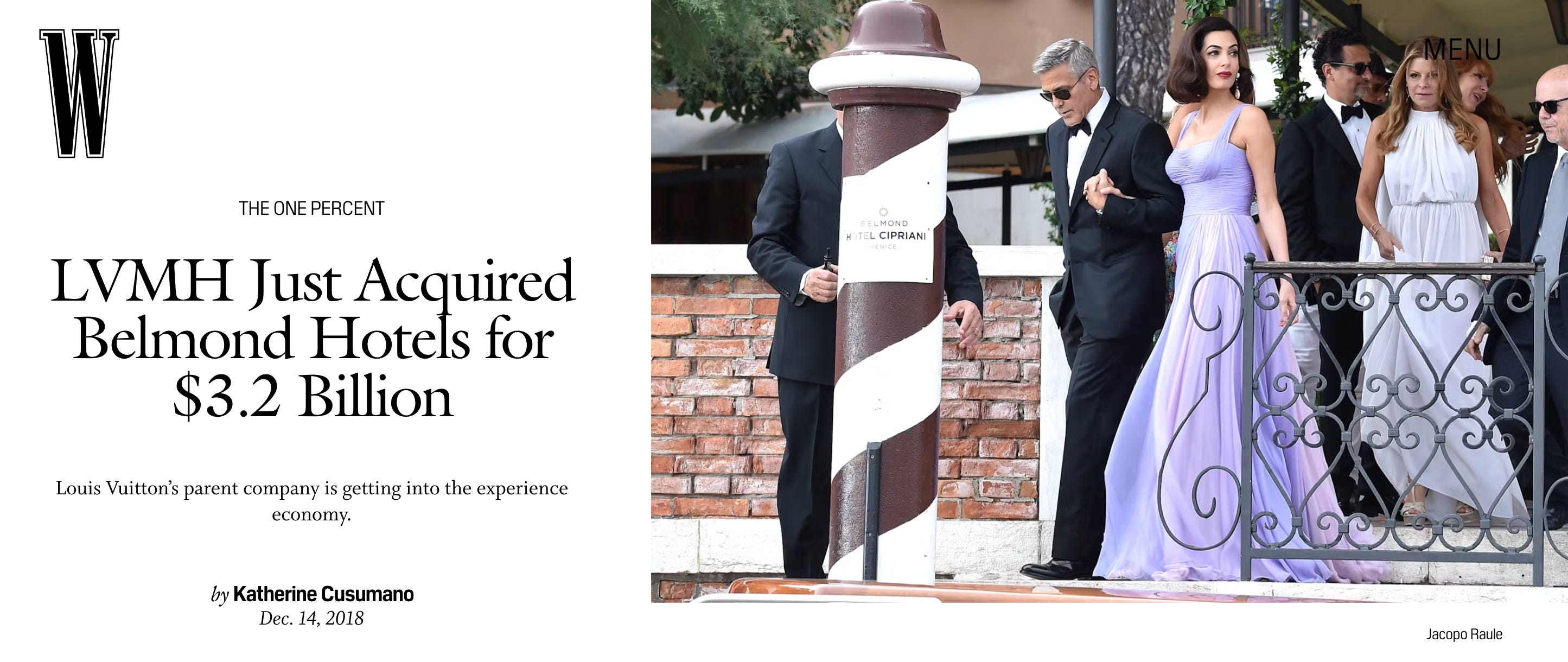
You can sometimes see this play out very concretely in reverse. Belmond was taken off the stock market by LVMH in 2018 valued at $3.2 billion, and has since pruned its portfolio to put more effort into each existing property, rather than aggressive growth strategies (although I can imagine there are watchful eyes to please inside LVMH).
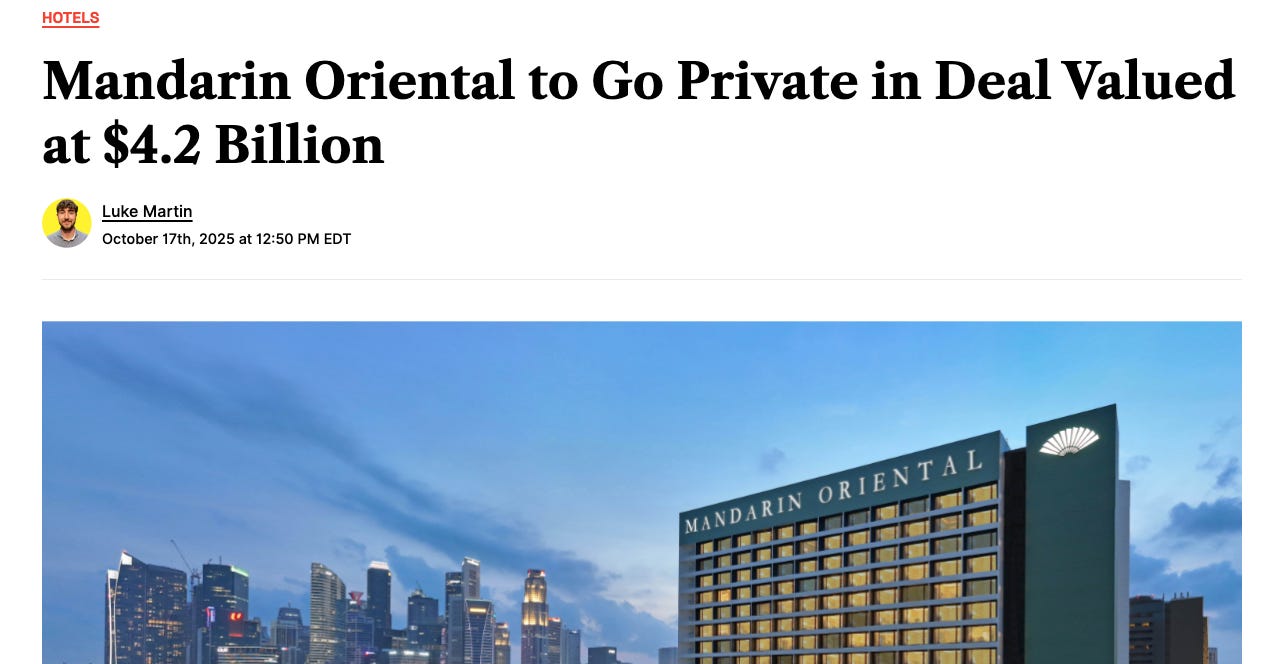
We’ll see if the same effect will take place now that Mandarin Oriental will be taken private (valued at $4.2 billion), although this Skift article says the deal’s aim is for the company to “scale more quickly”.
When you think in decades instead of quarters, and indefinite holding instead of quick exit, everything changes, from your design choices to your hiring philosophy to your relationship with your community, and to your willingness to invest in things that do not pay off immediately, but do pay off permanently.
Badrutt’s Palace built a hospitality legacy by thinking in generations, and it’s an approach that’s available to anyone in this industry that is willing - yes, even for those who report quarterly.
I hope you enjoyed this week’s thoughts. I would love to hear how you have seen this play out, and what properties epitomize this long-term approach.
See you next week,
🔑 Emma
here for more long-termism
I made a 5 year planning tool on one of my toolkits recently; we absolutely plan too short term in this industry