

Well met, fair guest,
I have fallen deeply and unexpectedly into a medieval rabbit hole.
I don’t exactly know what prompted this (perhaps my recent visit to the outskirts of the Scottish Highlands), but it I can now see that it has been brewing all along (my favorite movie ever is the notoriously medieval Shrek 2).
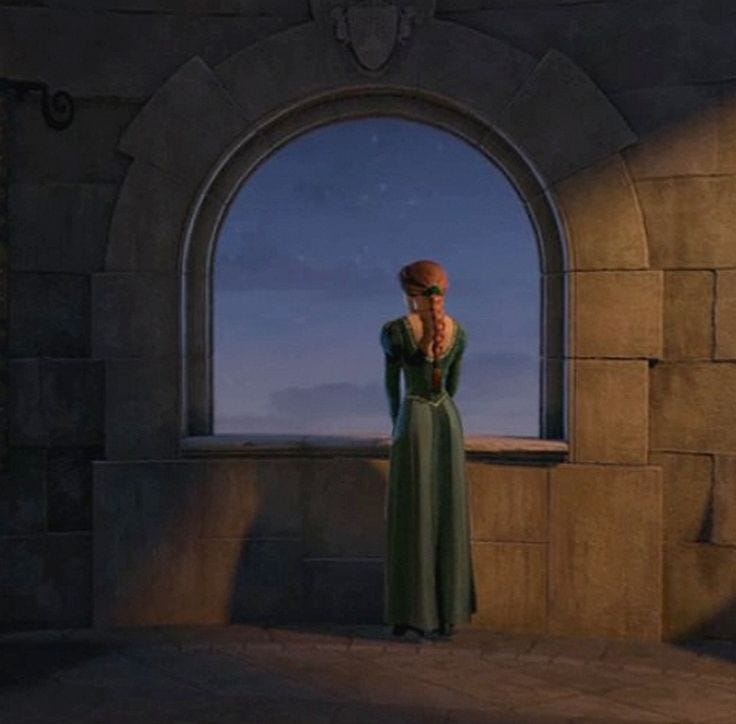
This newfound love for the Middle Ages culminated with a visit to a medieval fair in Hämeenlinna, Finland, where I met fellow enthusiasts.
So, I thought what better thing to do with this obsession than to find away to extend it to you! And as a matter of fact I have gotten some requests to dig a bit deeper into the history of hospitality, so I feel like this is a win-win-win situation.
Alas, join me on this quest to find out about hospitality of ole yesterday.
(Some music to set the tone)
Welcome to Turndown Service, where we immerse ourselves in an experiential detail or sentiment.
In this letter: Monasteries, caravanserai, early taverns, the grueling story of the patron saint of hospitality, and Derrida.
⚔️ Medieval hospitality ⚔️
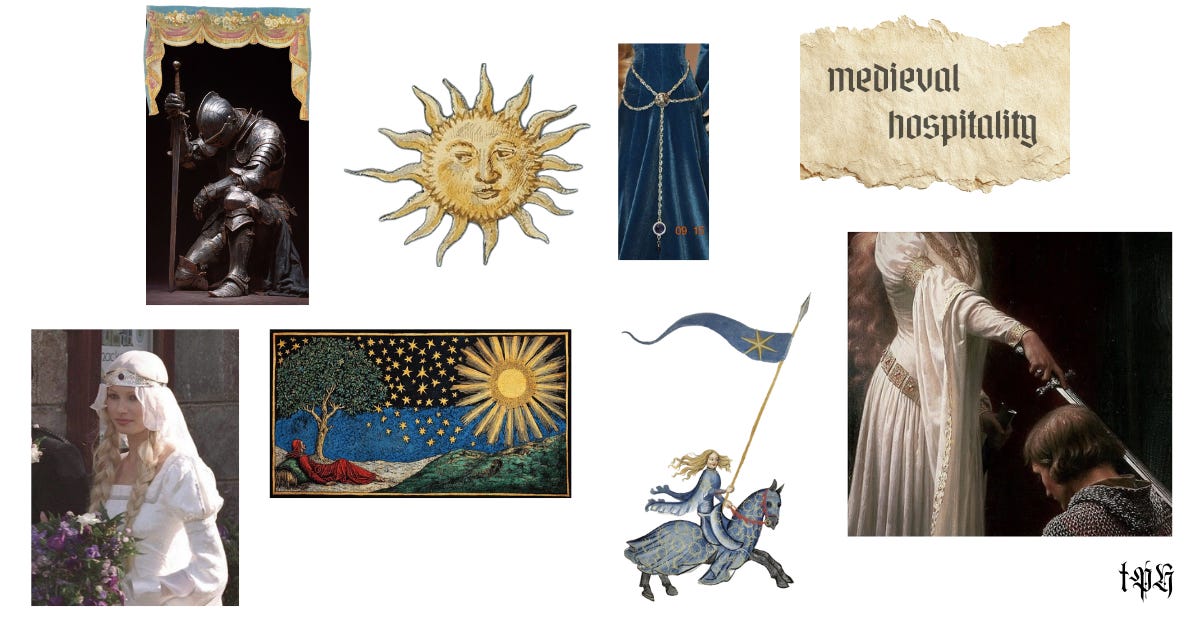
Monasteries, the most hospitable of them all
Around 530 AD, Benedict of Nursia wrote a rulebook for his monks. Chapter 53 opens with the following:
Let all guests who arrive be received as Christ.
Any stranger at the gate may be God in disguise, therefore, you treat every stranger as if they are.

Monasteries had a dedicated role in receiving travelers, washing their feet (the abbot was supposed to do this but apparently often ended up delegating the task to the monks) and feeding them.
The monks would break their own fasts when guests arrived hungry because the guest’s needs were seen as far more important than the monks’ discipline and monastic routines.
There were entire systems of guest houses, kitchens, and stables… all this trouble because caring for a guest was seen as a sacred duty, no matter who they were.

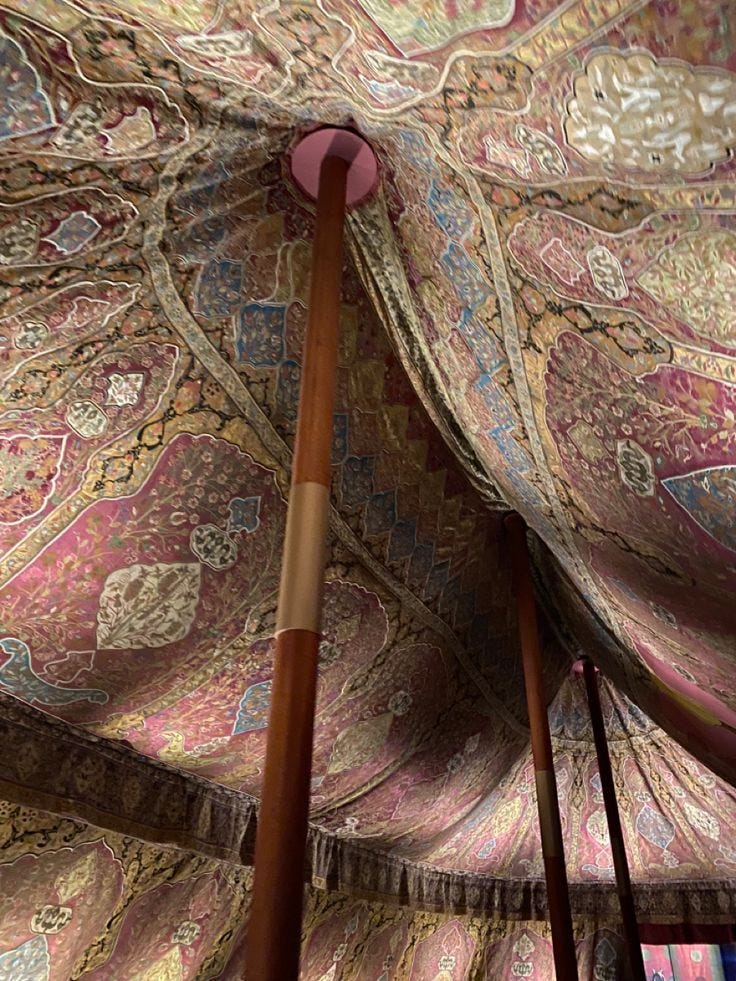
The Middle East, on the other hand, had the caravanserai (from the Persian karwan, caravan, and saray, palace) that were rest stops built along the Silk Road and major trade routes from North Africa to China. They were paced roughly between a day’s journey by camel, and sheltered anyone on the road, mostly merchants and pilgrims.
These places too were completely free, funded by sultans and philanthropists as acts of piety.
Hospital, hospice, hotel
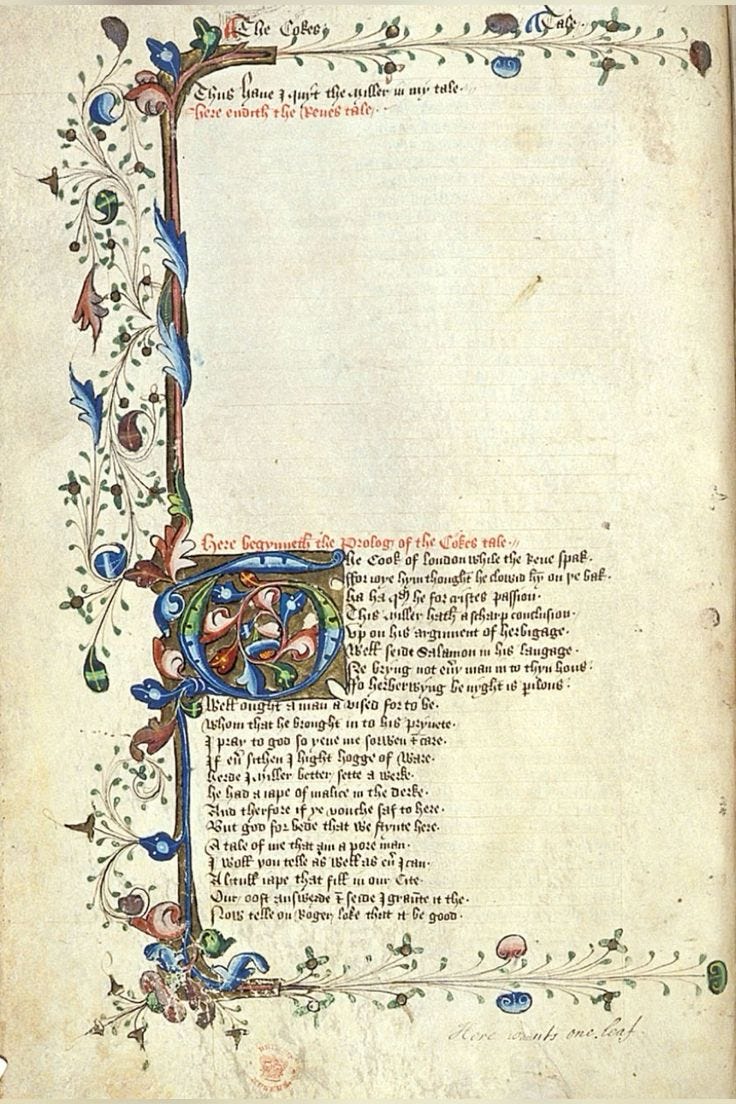
Chaucer opens The Canterbury Tales (a 14th century text) at the Tabard Inn in Southwark, where a knight, a prioress, a merchant, and a miller all share the same roof and the same ale. The medieval inn was rough and crowded to the extent where you would likely share a bed with a stranger, but it was also the most democratic space in medieval society.
Hospital, hospice, hostel, and hotel are all derived from the same etymological root of hospes. A medieval hospitale took in travelers, the sick, the poor, pilgrims, under the same roof, as they were all strangers in need of shelters.
The Great St Bernard Pass in the Alps still has a hospice that’s been receiving travelers for almost a thousand years, and pilgrimage (such as journeying through the Camino de Santiago) was the first mass travel market, where the houses along the road made the journey possible to begin with.
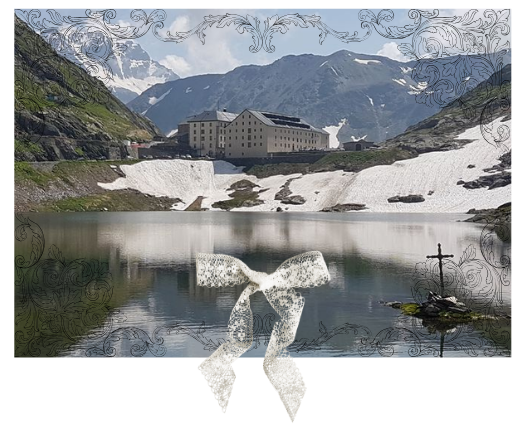
While this early form of hospitality was based on moral obligation, medieval hospitality was also very hierarchical and self-interested. A noble guest would be seated at the abbot’s table (hosting the powerful was very political), and the poor would be given the almonry.
Furthermore, monasteries complained constantly about freeloaders, which led to most of them developing an informal cap of days after which you were expected to either move on or pick up a rake. The ideal and the practice argued with each other, the way ideals and practices do.
But nonetheless, the ideal was there, and guest-right was close to sacred across medieval Europe, beyond the Church. Violating it for instance by harming someone you had fed under your own roof was one of the few things that disgusted everyone despite social class or region.

There’s a reason the red wedding is the most upsetting thing in Game of Thrones (I haven’t been able to revisit that episode since) or maybe in TV history ever, and it’s because we still feel the taboo of the violation in our bones.
The patron saint of hotels has a terrible backstory
Earliest renditions of this legend date back to the 12th century.
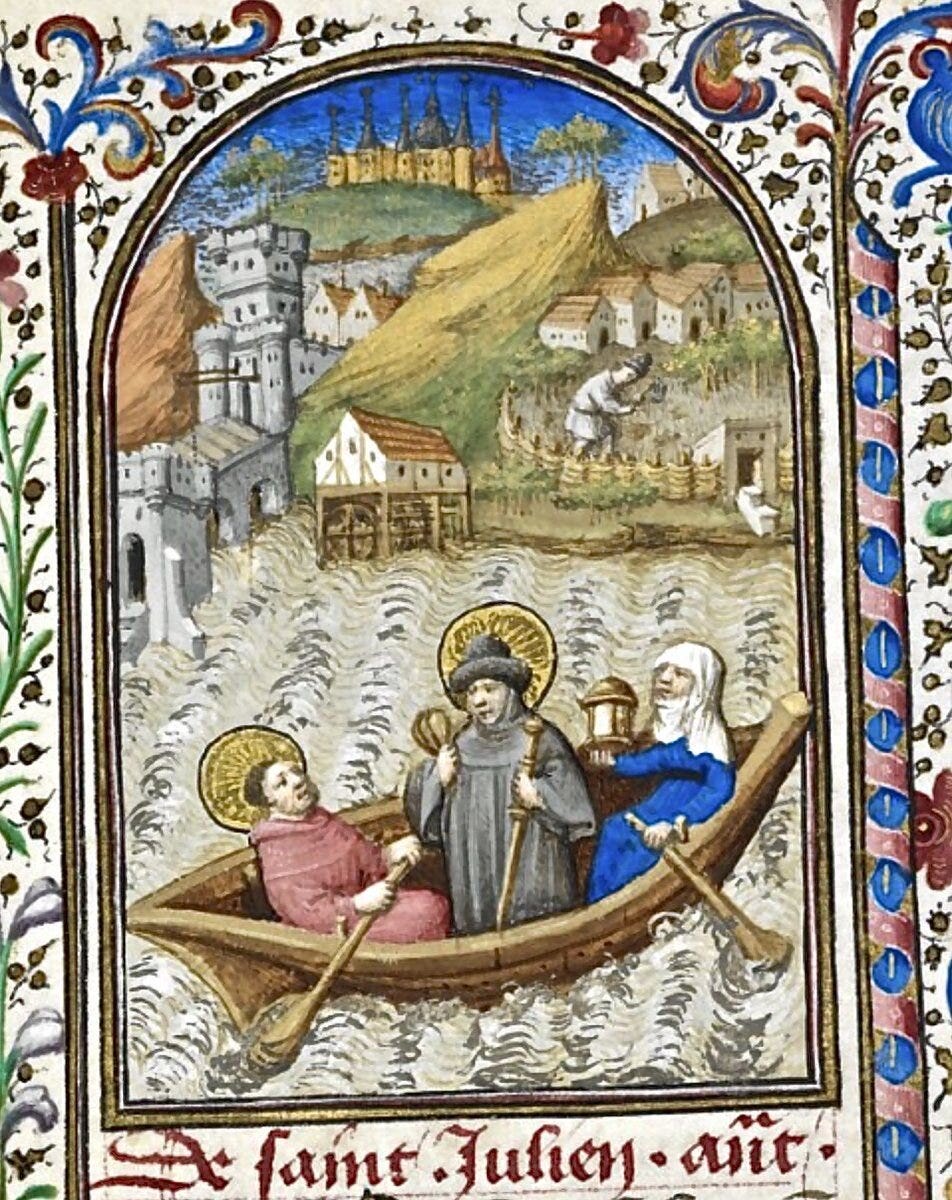
St. Julian the Hospitaller was a nobleman cursed by a prophecy that he would kill his own parents, and he fled across the world to escape his destiny.
Years later his parents tracked him down, and his wife, welcoming the elderly strangers warmly, gave them the master bed to sleep in. Julian came home, saw two figures in his bed, assumed the worst, and fulfilled the prophecy with his sword.
He built a hospice at a dangerous river crossing and spent the rest of his life ferrying travelers across it and sheltering them, and in his martyrdom asking for nothing in exchange. One night he carried a leper over the freezing water and gave him his own bed, and the stranger revealed himself as a messenger of Christ. Julian was forgiven and later granted sainthood.
Exit the monk, enter the innkeeper
Gradually, and for understandable reasons, the guest became a customer and the act of hospitality a transaction, and the holy status of the guest was long forgotten.
As trade grew in the 12th-13th century, roads started to fill with merchants which led to commercial inns appearing to serve people who could pay for the roof over their heads. By the late Middle Ages, many towns had proper hostelries with signage (okkkk branding) and even some kinds of reputations and reviews. The Reformation dissolved the monasteries in many parts of Europe, which furthered the disappearance of the charitable layer of hospitality.
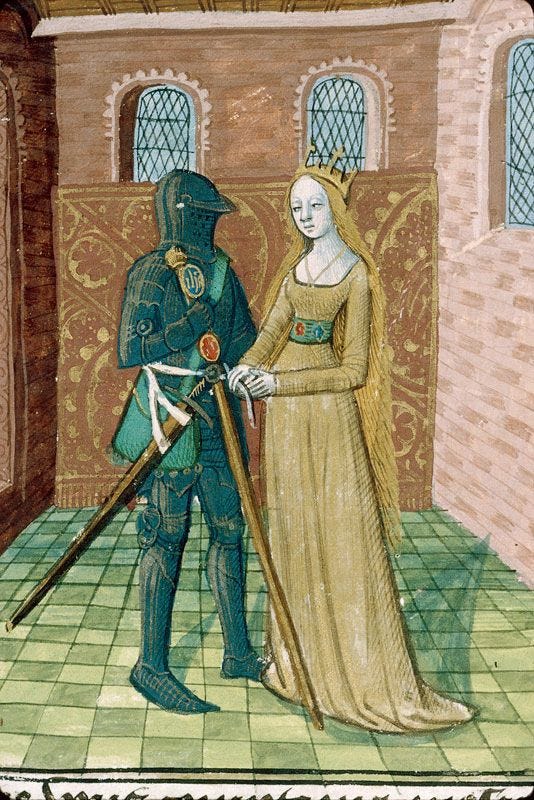
Hospitality becoming more transactional was also a liberation in a way, because paying for your stay meant no gratitude was necessarily involved, nor did you have to depend on anyone’s virtue. The customer has a right to a certain product they are paying for, whereas the guest could only rely on the host’s goodness.
What we gave away in exchange was the idea of receiving a stranger as a moral act, and I think we are still phenomenologically and viscerally able to tell the difference between being treated as a transaction and being the subject of true hospitality.
Medieval virtues, modern reality
Derrida spent a lot of his late career arguing that true hospitality is unconditional (i.e., welcoming a stranger no matter their name or business or whether they can pay), but that hospitality in its truest form is also virtually impossible, because every act of hospitality comes with conditions.
This Derridean understanding of hospitality as a willingness to let a stranger disrupt your world was practiced in monasteries and caravanserais, and going against this, i.e., violating guest-right was a crime worse than murder in Norse and Germanic traditions. Are there even whispers of this left in today’s dynamic pricing algorithms? (Rhetorical question, we know the answer).
I’m not saying we should go back to washing each other’s feet and sleeping on straw (although if a hotel offered this as a wellness experience I’m certain it would be a hit), but I just love thinking about how the hospitality industry sprung from what used to be a radical ethical commitment.
The medieval world was dark and violent, but that doesn’t stop me from yearning for it.
Fare thee well,
🗝️ Lady Emma of tPH

P.S.
I spent a lovely, steamy few days at the World Sauna Forum in great company such as S.P.A. (and Mr. Spa) and Sarah Spoto (I want this sauna hangout thing of ours to be a weekly occurrence) – more on this coming up next week because we are long overdue for a new edition of THE LOBBY.
Kippis ja kiitos <3
Returning to the root of hospitality as a sacred duty to the stranger is exactly the soul-shift our industry needs. It’s not about the transaction; it’s about the connection :-)
Absolutely love this point of view!