

Dear guest,
I am currently on my way to Switzerland, the birthplace and gold standard of modern hospitality, after which I’m heading to Lake Como. Some reportage will naturally ensue.
Today’s topic is something I’ve been thinking about a lot as fashion brands are increasingly borrowing antics from hospitality.
I find myself yearning for a time when retail was somewhat interesting, and I myself now do most of my shopping vintage and second hand, just because I enjoy the process of scouring for and finding gems way more than the current state of commerce.
Here are some thoughts on why shopping bores me :)
Welcome to The Reservation, a tPH letter including long-form analysis and cultural criticism of the hospitality industry and relevant trends.
In this letter: retail is going experiential, and what it can learn from hospitality to survive.
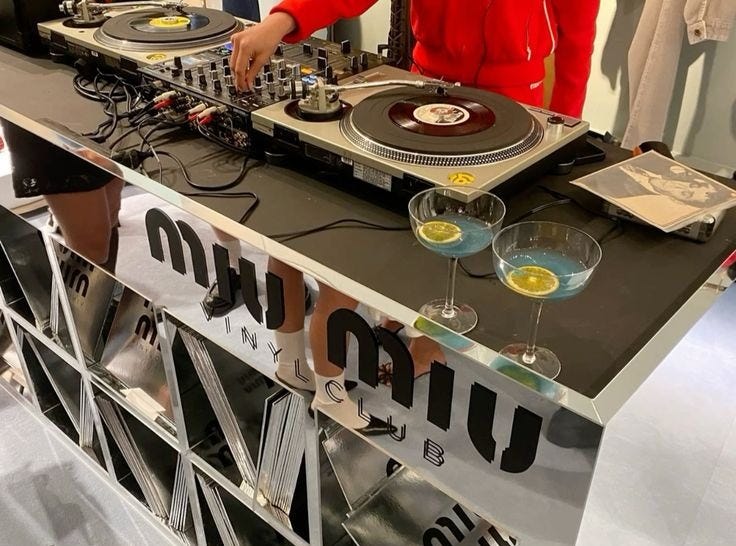
I think we have all noticed that retail is in trouble, at least in its current incarnation. Saks Global (the owner of Saks Fifth Avenue, Neiman Marcus and Bergdorf Goodman) announced its bankruptcy in 2025, and has now risen from the trenches after a complete overhaul and restructuring.
Department stores have lost their luster to consumers, and according to this Forbes article, more stores have closed than opened in the past years.
However, there is a category that warrants individual examination, namely, experiential retail (where hospitality and purchases meet 😊🤝🛍️)
Shopping has been so disappointing lately
On a purely personal level, shopping has become underwhelming, and I would attribute much of this to everything being so available.
Just in recent history, at the start of the 2010s, there were many curiosities (such as Abercrombie sweatpants if you happened to be a Scandinavian teenager) you had to travel overseas to acquire.
Having immediate access to the trend of the moment was still unheard of for most of the world.
While e-commerce has soared and most likely will continue to do so, an undercurrent of more curated retail experiences has emerged.
To me, this change physical retail is undergoing is twofold: firstly, brands are increasingly investing in experiential pop-ups and flagships, and secondly, we are seeing a renaissance of the (fully analog) specialized brick-and-mortar.
✮⋆˙Experiential retail ✮⋆˙
The goal of experiential retail concepts is to create emotional resonance with shoppers, and really viscerally drill down the brand messaging into the storegoer.
For most brands, it has proven to be a gateway to increased omnichannel sales, with uplifts from 15-25 percent up to doubled(!!!) revenue.
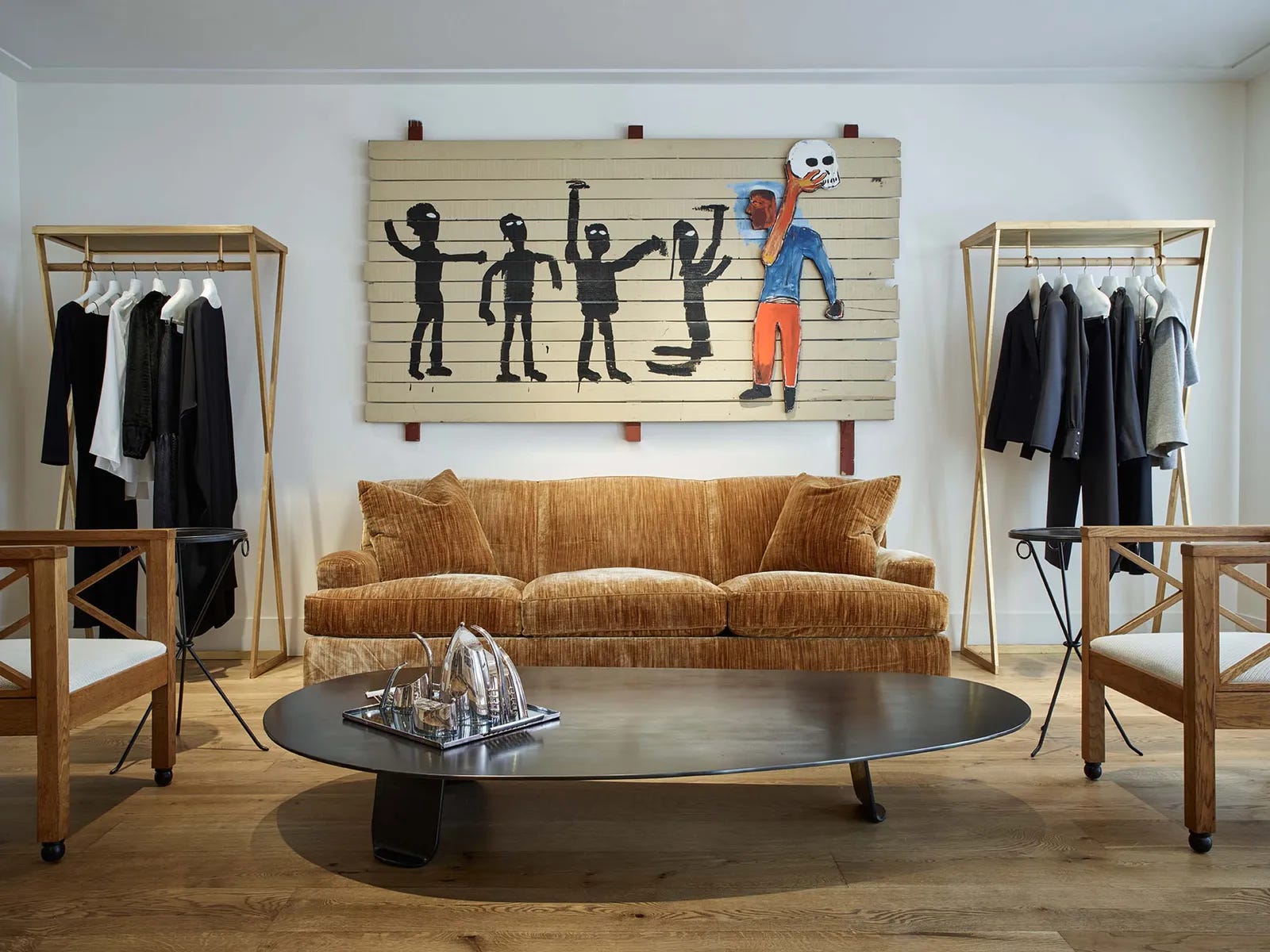
This makes sense because if your concept is eye-catching and resonates with shoppers, it will inevitably garner a lot of organic attention through social media and shared experiences.
There’s not one way to do experiential. For instance, Gentle Monster has successfully taken the more tech-ish and visually captivating route with giant robotic statues in-store and spatial design that invites lingering.
Naturally, I am more interested in cases where brands lean into hospitality, and I think you may be too, since you’re here :)
✮⋆˙ Hospitality in retail ✮⋆˙
Mini case study: RH
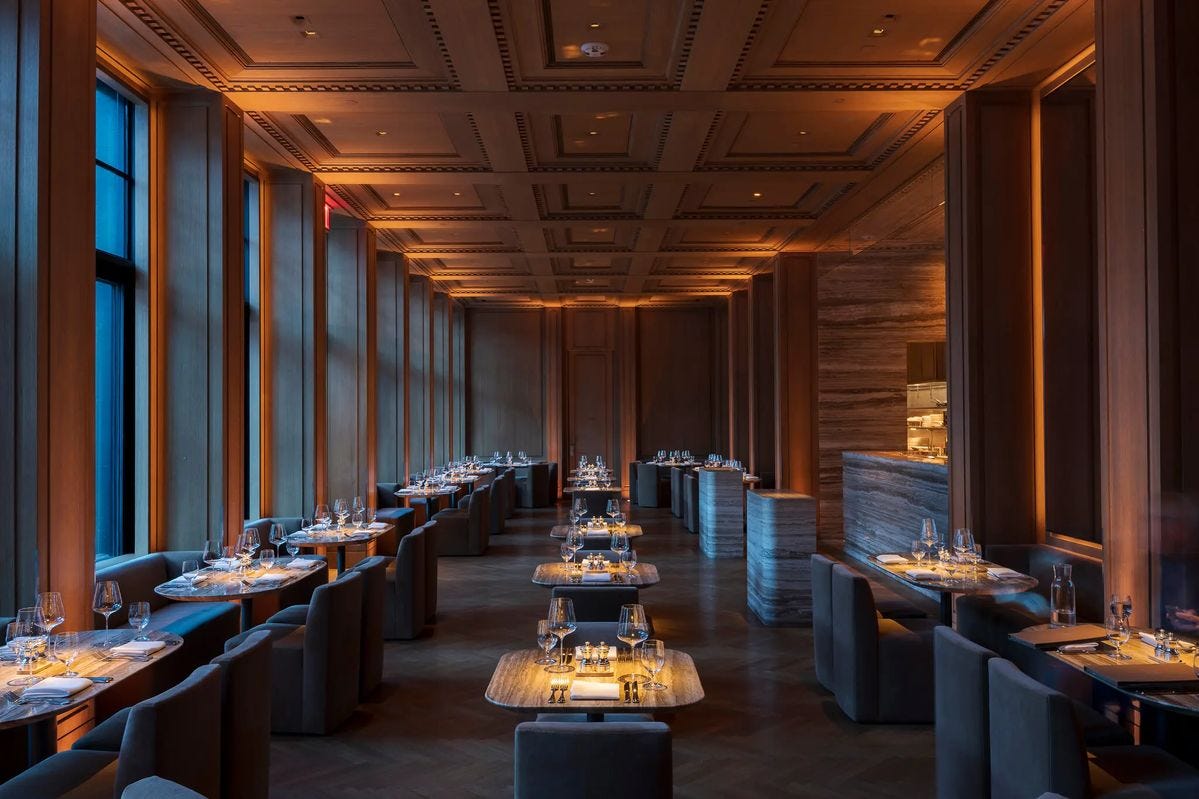
RH, the renowned and quintessentially American luxury furniture house, opened its first restaurant a decade ago and now runs a portfolio of over 20 locations mostly in North America, but also Paris and the UK.
Guests have reported visiting precisely because of the immersion into the brand’s aesthetic, the culinary experience being entirely secondary. (Although I must say their new Milan menu looks great, thank you to Fabricateurialist for the tip!)
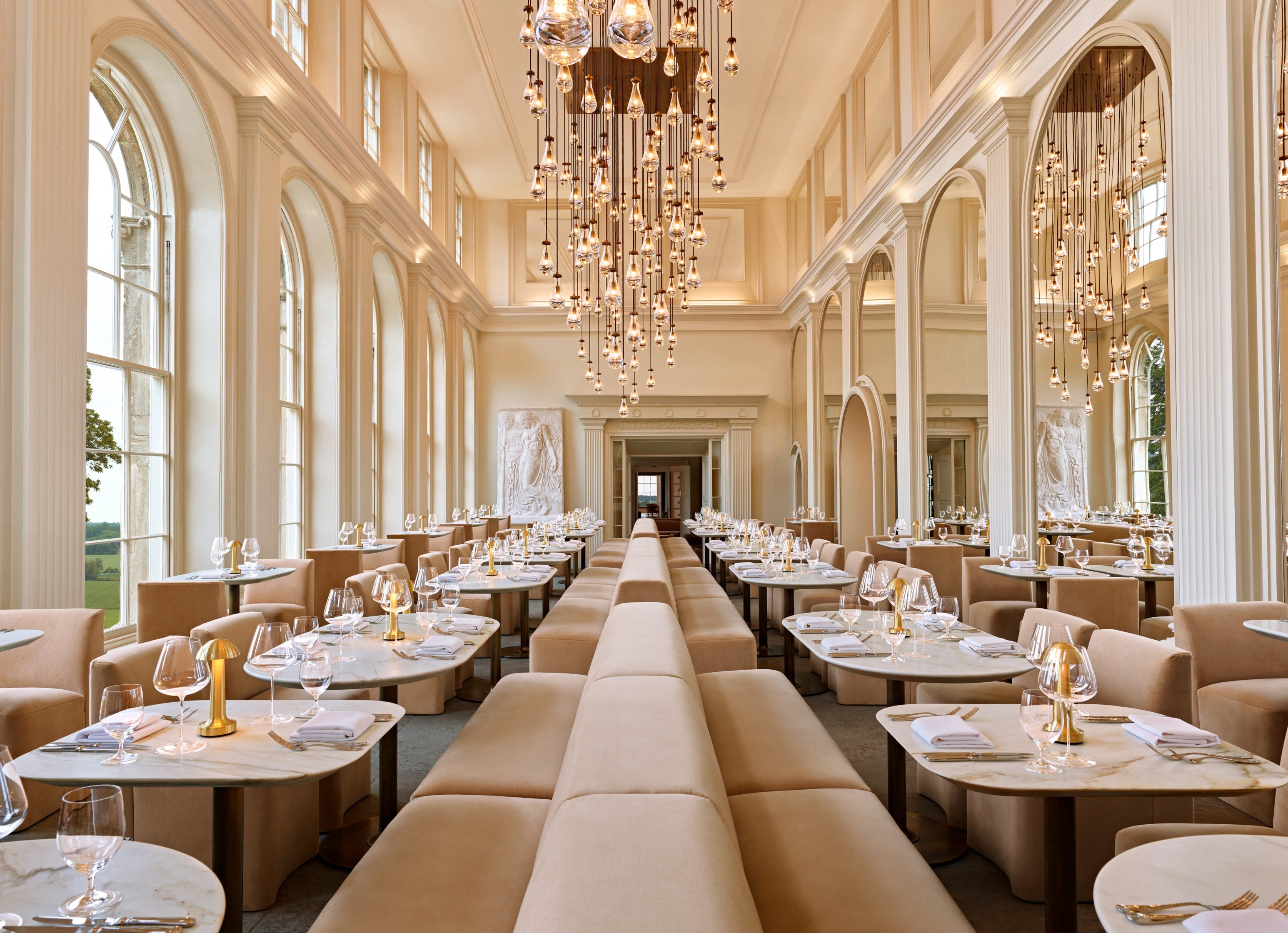
What an ingenious way to make people lust over the idea of replicating the atmosphere in their own dining room.
✮⋆˙ The pilgrimage purchase ✮⋆˙
Mini case study: Rubirosa’s
Now to the subject matter that pulls my heartstrings, and whispers a promise that I may get to relive the high of gaining the possession of Abercrombie sweatpants at 13 years old: the renaissance of the analog brick-and-mortar.
And when I say analog, I’m referring to retailers rejecting e-commerce and making you plan a trip to become a client. One of these is shirt atelier Rubirosa’s, which welcomes shoppers solely at its shop on Paris’s Left Bank (no webshop to be found).
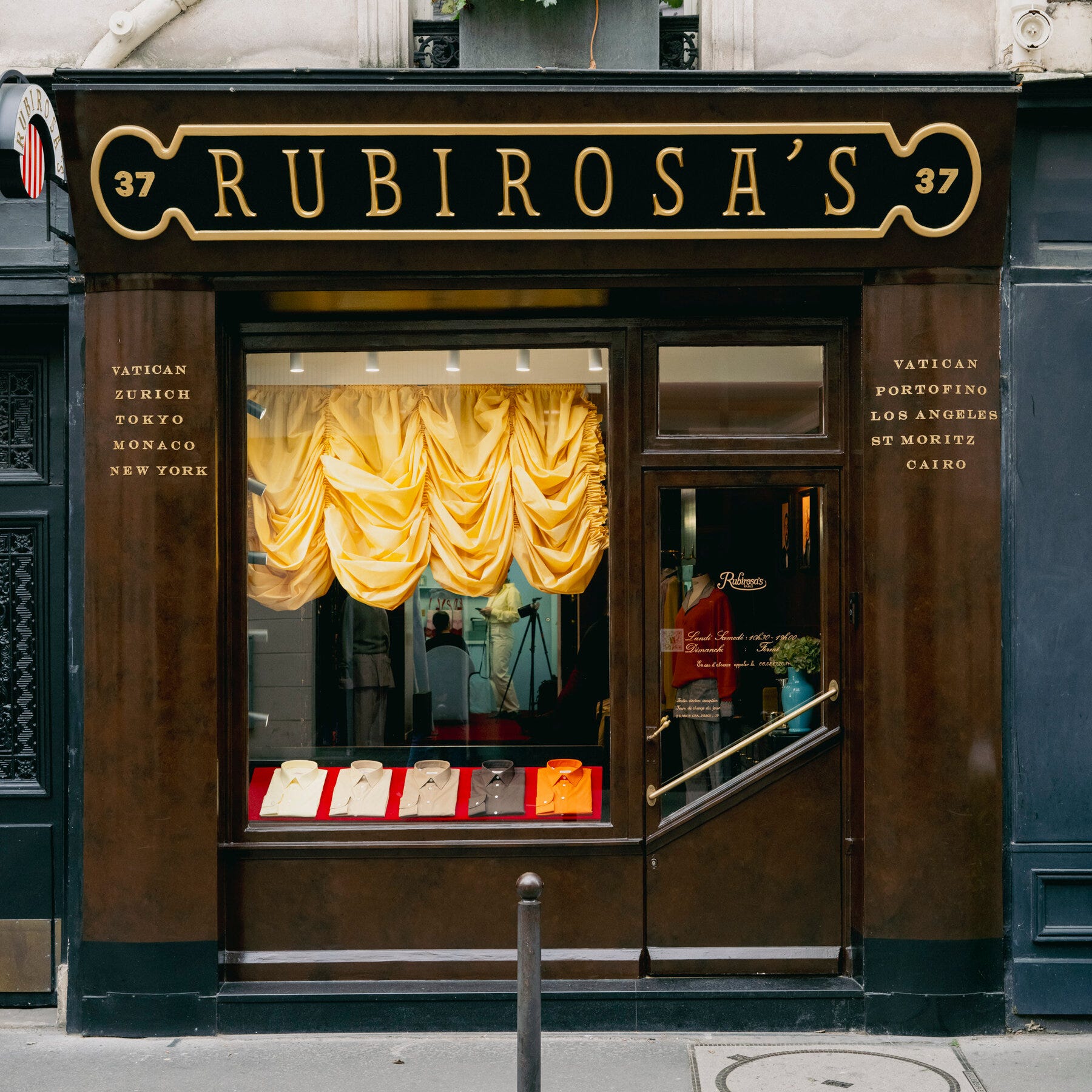
The founder is Lauren Rubinski, a third-generation shirtmaker and successful jeweler, and I was introduced to her through this Monocle article (another brand that knows experiential retail à la their cafés).
Rubinski’s motivation for not going the DTC/e-commerce route was to get to focus on the human experience, which is something the store aims to achieve through hospitality.
”On arrival [at Rubirosa’s], a staff member in a rollneck and apron offers a warm welcome – a small detail that sets the tone,” writes Monocle.
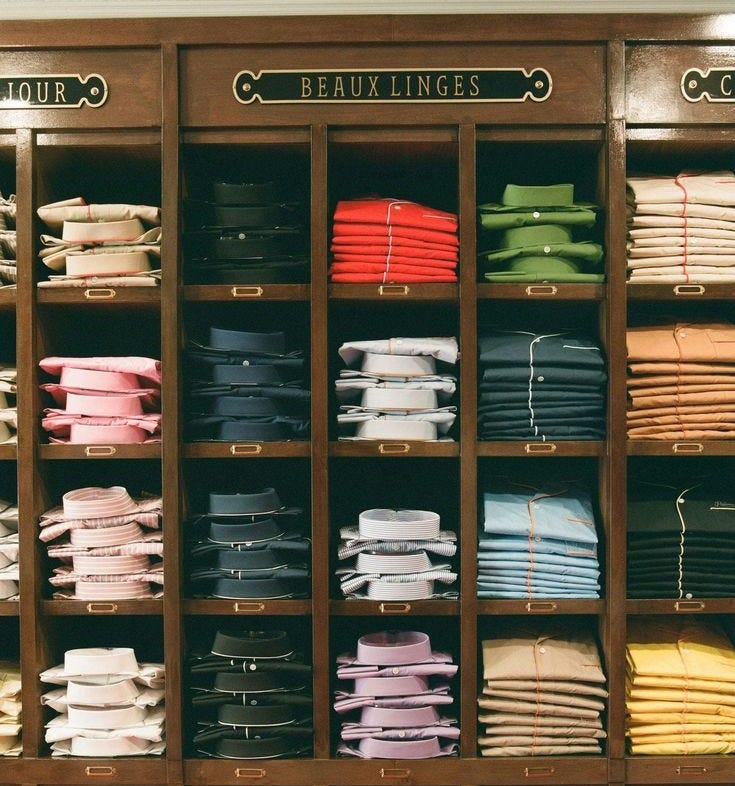
To me, Rubirosa’s is a promise of a world where only by journeying and delaying gratification can you own a specific piece of artisanship. Is this what luxury is, considering that everything is now exhaustingly accessible?
In what form will retail survive?
Experiential retail is, in many ways, nothing new. Nor are brick-and-mortars, obviously. But just reading about Rubirosa’s and the idea of committing to intentionally creating a certain atmosphere for the shopper in simple ways (I would love to buy a shirt from someone in a rollneck and an apron) makes me feel like something interesting is underway.
Consumers want more than the product itself. They want to feel emotionally attached to the things they purchase and feel like this endless cycle of consumption is meaningful.
To send you off, some honorable mentions of great retail concepts:
Any retail experiences that have blown your mind lately? What do you foresee for department stores? Are malls dead?
So many questions, I need your thoughts 👇
Until next time,
🔑 Emma
this hit so close to home!! all day at work we just focus on how to bring people in & offer them a unique shopping experience but it really seems to have gotten out of hand.. it’s not at all about the product anymore but the snacks and visuals and free stuff
I went to Chanel in Nice this week and it was so lovely to be assigned a person and brought champagne.