

Dear guest,
tPH is almost 3 months old, and I feel so at home with how you’re responding and engaging.
It feels like so many of you have felt the way I did, that hospitality media is missing a place where we go a bit deeper than operations and aesthetics, and commune around the deeper themes of human-centricity and connection that predate them.
In addition to this letter, I have the pleasure in working on many other interesting hospitality writing projects, most recently as the editor of EHL’s Psychological Well-Being in Hospitality Report 2026.
It is based on the interviews of nearly 50 hospitality and well-being leaders, including the CEO of Equinox Hotels, the longevity director at Clinique La Prairie, the President of global hotel operations at Four Seasons, and many more.
While the report includes a plethora of interesting findings, my absolute favorite of the explored themes is the move towards transformational hospitality and its philosophical roots.
Welcome to The Reservation, a tPH letter including long-form analysis and cultural criticism of the hospitality industry and relevant trends.
In this letter: we are moving on from the experience economy, hospitality as transformation, Aristotle, and Hannah Arendt.
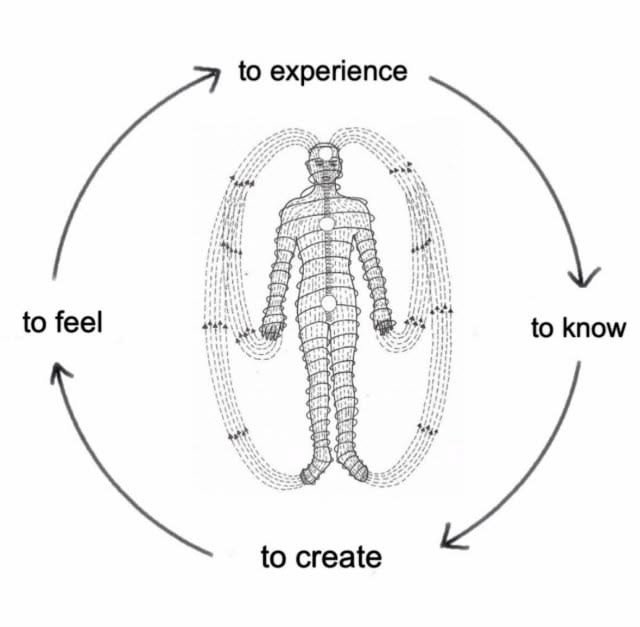
From the experience economy to the transformation economy
In 1998, Joseph Pine introduced the concept of the experience economy, which is the idea that the mechanics of business had moved from a focus on goods to a focus on experiences.
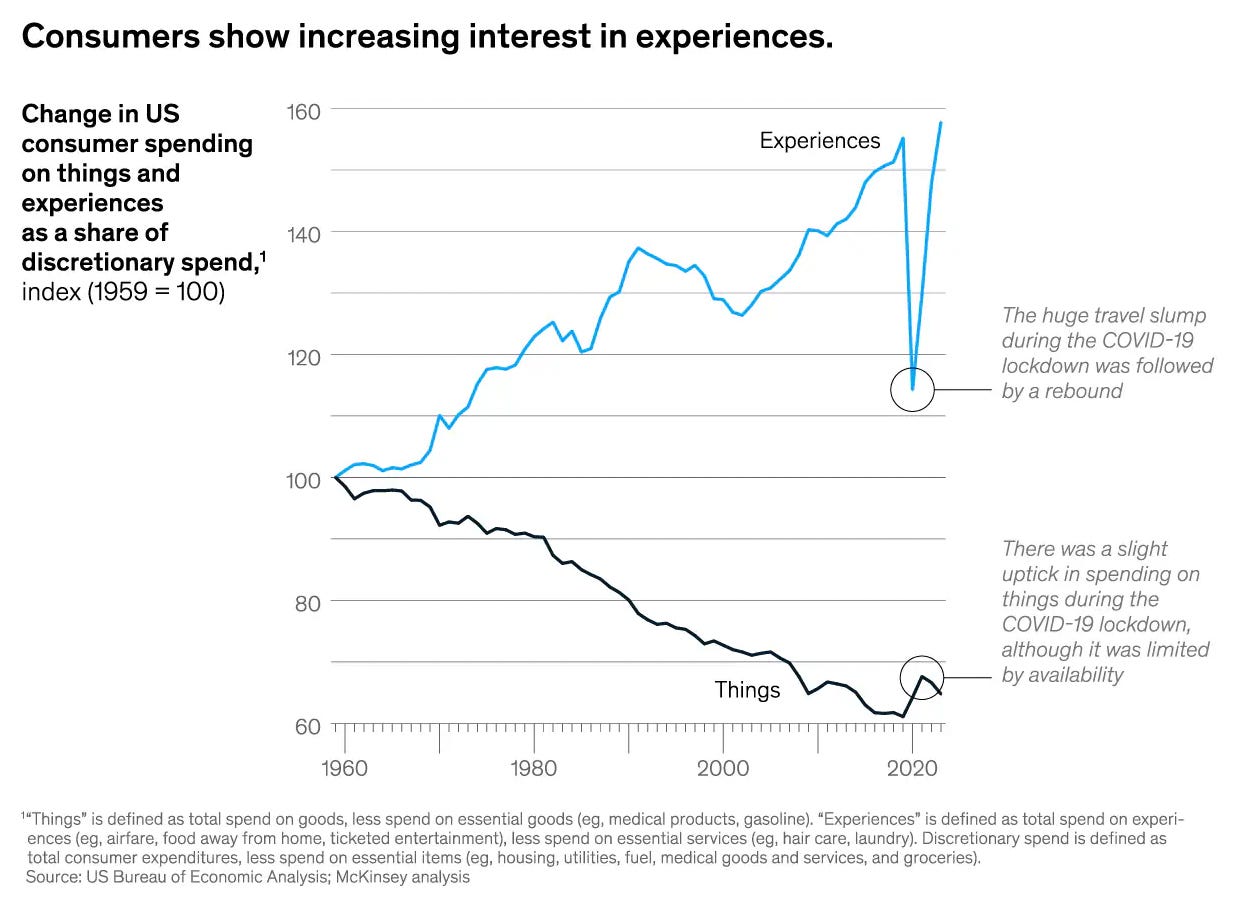
This has been largely great news for hospitality, which is by default experiential.
However, this is no reason for the industry to rest on its laurels. The successor concept to the experience economy is already here, introduced by Joe Pine himself: the transformation economy.
The transformation economy argues that consumers are no longer satisfied with staged experiences around the products and experiences they are purchasing. Instead, consumers are now seeking for the things they consume to change them in some way, whether that’s their thoughts, feelings, or entire lives.
So in wellness terms, a hotel may have a bespoke spa or a pillow menu (have any of you seen one of these in real life??), but it does not on its own hold the promise of transformation for the guest.
Is the hospitality industry prepared?
The hospitality industry is still largely stuck in the mindset of the experience economy, thinking that this almost 30-year-old framework still holds. According to one of our interviewees, “If you ask most hoteliers, they still talk about well-being as ‘hey, we have a gym and granola’”.
The sad thing is that the industry has all the potential to become a place of transformation. Currently, the focus is largely on serving the guest’s hedonic needs for rest or pleasure. While these are important, for transformation to occur the guest’s sense of meaning or relation to life must be addressed.
There are properties that pioneer hospitality as transformation. The South African off-grid wilderness retreat Bliss & Stars removes wifi, caffeine, and alcohol from the guest’s vicinity, and programming includes stargazing and somatic practice.
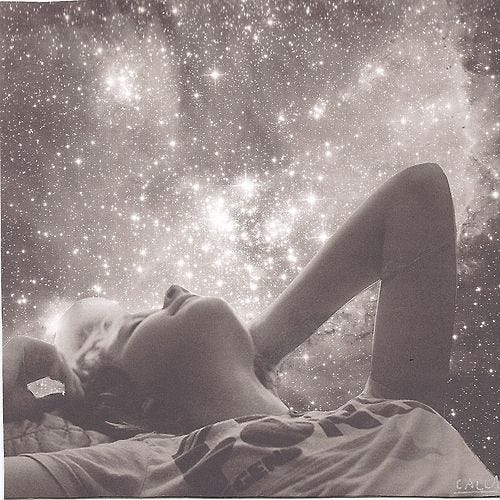
Guests get removed from the endless chase of productivity, and as a result, leave feeling transformed and fully restored. When I had a conversation with the retreat’s co-founder Daria Rasmussen, she mentioned how she continues to be amazed by how the simplest things can have such a profound effect on the human being.
Who knew time off screens, proper meals, community, and nature could be so good for us?
Jokes aside, being put into this situation of silence, stripped from all the everyday crutches can be extremely uncomfortable (before it becomes rewarding), which is not what hospitality usually goes for.
But this discomfort and going back to basics is also exactly how a property like Bliss & Stars can evoke such a deep transformation in its guests.
Hospitality is a reciprocal act
And that’s what hospitality ultimately is, the return to the fundamentals. We all need attention and care to survive.
Even a limited-service automated hotel with minimal staff should ensure that the guest feels seen and cared for through design and amenity choices.
In fact, when it comes to the questions of AI and automation, I think the greatest value and promise of them for hospitality lies in making sure team members can spend less time doing redundant, low-value manual tasks and focus more on connecting with guests.
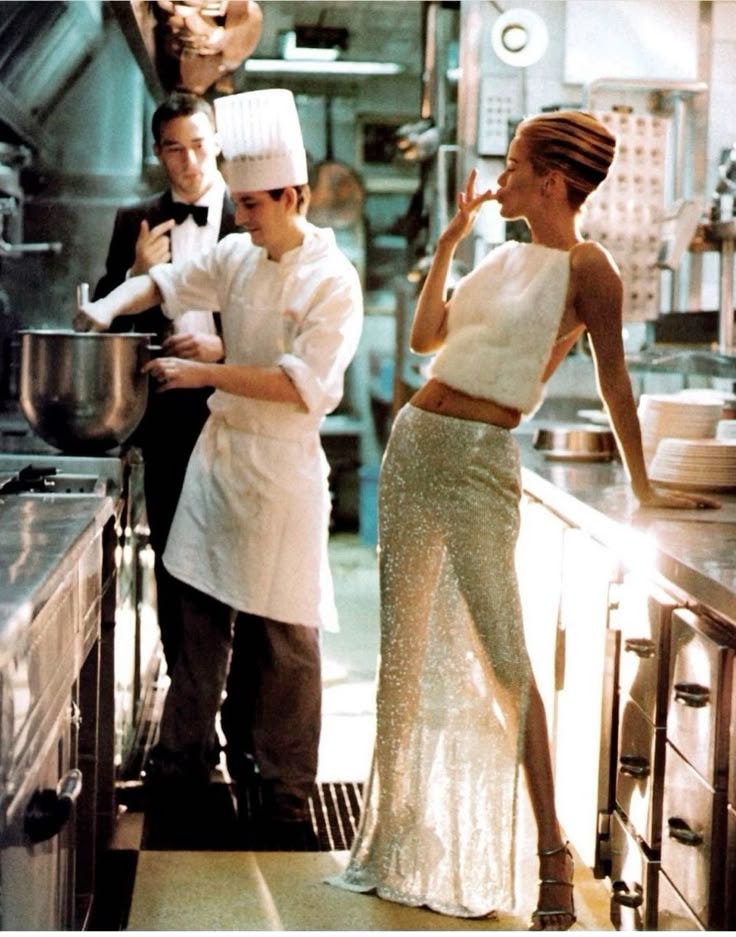
Because the truth of the matter is, that almost everyone who ends up in the hospitality industry does so because they get a kick out of making others feel good.
This makes sense given that the word hospitality is derived from the Latin hospes, which signifies the reciprocal relationship between host and hosted.
A holistic well-being philosophy
What makes hospitality uniquely positioned to support human well-being is how holistically it can do so.
Aristotle identified eudaimonia as the highest form of human flourishing, which is a continuous condition that arises from an alignment of different human capacities, such as reason, virtue, relationships, purpose, health, and physical fitness.
In philosopher Hannah Arendt’s words
“The ultimate end of human acts is eudaimonia, happiness in the sense of living well, which all men desire; all acts are but different means chosen to arrive at it”
In this sense, the hedonic, pleasure-driven sense of well-being is a prerequisite for reaching eudaimonia. Well-being is inherently plural and interconnected, like Indra’s net, a concept from Hindu and Buddhist philosophy, where reflective droplets mirror each other.
While hospitality can make us feel good, it can also help us be better, which is what the guest now wants.
I think of Aman collaborating with tennis player Novak Djokovic to create performance and detox programming that definitely sells the fantasy of athletic transformation, and longevity clinics such as Clinique la Prairie that orchestrate your health in an optimized environment, equipping guests with the tools they need to implement the transformation in their everyday lives.
In the video, wellness is spoken of as a lifestyle and a personal obligation, implicitly promising Aman junkies that through this “guided reset for body, mind and spirit”, you, too, can transform and master your life.
When sleep, nourishment, environment, connection, and purpose converge, transformation becomes inevitable.
The Psychological Well-being in Hospitality Report is one of the most comprehensive projects I have worked on, and this letter only scratches the surface of all the topics covered.
I would like to hear your thoughts: have you ever experienced feeling transformed by hospitality? This need not be a silent retreat, maybe it was simply someone’s direct attention that changed you 👁️
If you liked this piece, further recommended reading is this letter by Michaela Carpenter and I that touches on similar concepts.
With my warmest greetings,
🔑 Emma
it’s that genuine connection with staff, facility and experience that makes the whole stay and self feel WHOLE again 🤌🏻✨ it’s the intentional designs and care that a hotel can give you this getaway, holistic feeling. In fact having someone who is in touch with the present and able to guide you into a genuine retreat experience play such a big part in well being hospitality 🧘♀️ Also how fun to learn a new term “eudaimonia” - truly the philosophy of hospitality girl, what a fun read this was 🤓
Emma - I genuinely look forward to reading through the EHL report and would love to connect further on this topic. The future of hospitality is psychological welfare of our employees and our guests!