

Dear guest,
As you probably know by now, I am, to my core, a philosopher. I enjoy the intangible, the abstract, and spend much of my time in that realm.
However, there are times, when the other side of me takes precedent. She is from the 80s, a shark in Swiss finance who made it to the top of the food chain.
Today’s edition of The Reservation™ is brought to you by her.
Welcome to The Reservation, a tPH letter including long-form analysis and cultural criticism of the hospitality industry and relevant trends.
In this letter: Wall Street is lusting for asset-heavy businesses, AI is coming for global hotel companies, giving the hospitality industry a facelift.

I believe we are currently living, experiencing some version of the dot com bubble. Software companies have disproportionately dominated portfolios and been the golden children of finance bros.
But the winds of change are blowing, my friend, and the direction is favorable for the hospitality industry 🏳️🏳️🏳️
Financial Times recently wrote that Wall Street is experiencing AI anxiety and thus gravitating towards HALO stocks, standing for Heavy Assets, Low Obsolescence.
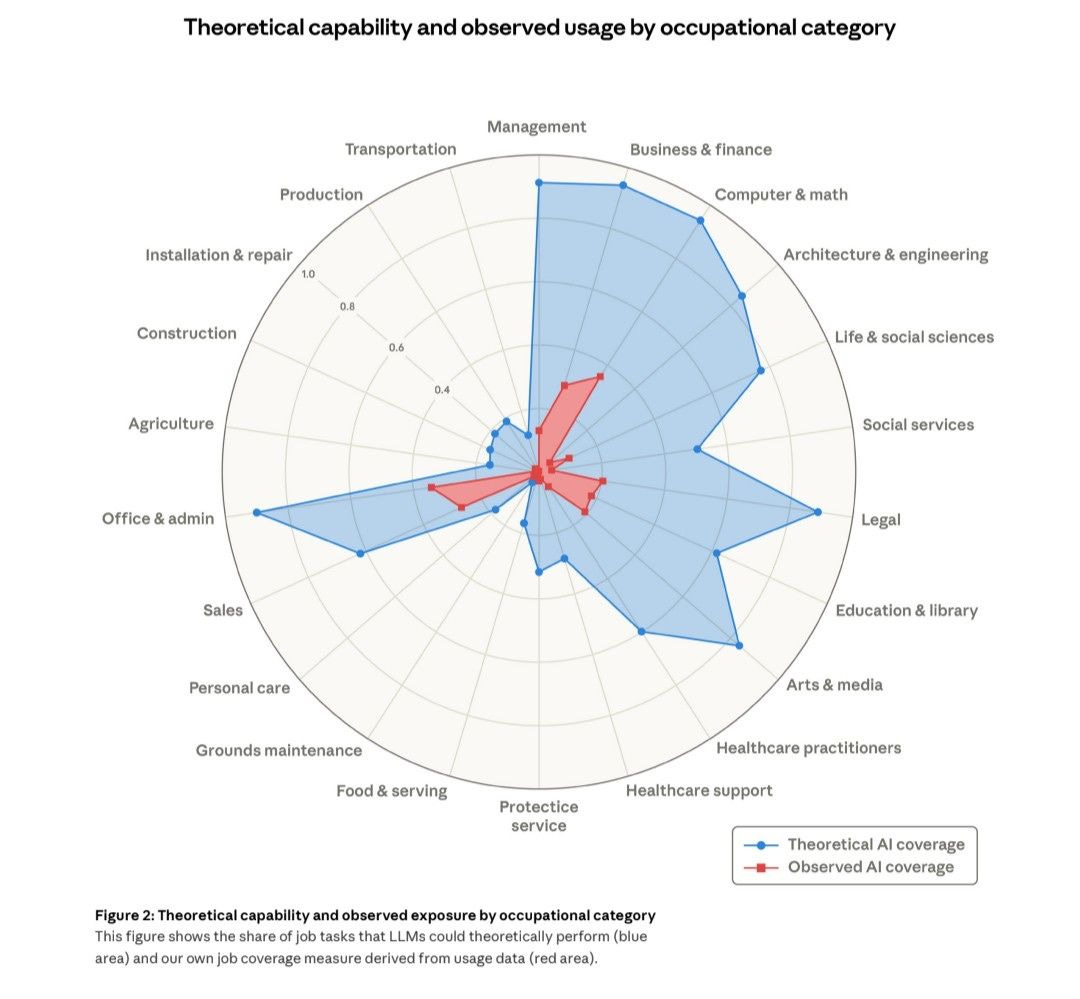
Business models that are built on human or digital capital (software, consulting, asset management, etc.) are threatened to be abolished, made obsolete, by AI.
Now, suddenly, after asset-light has been all the rage, markets are repricing companies whose value is derived from physical assets that are expensive (and more importantly impossible for AI to) replicate. The big boy category of power grids, pipelines, utilities, transport infrastructure, and critical machinery.1
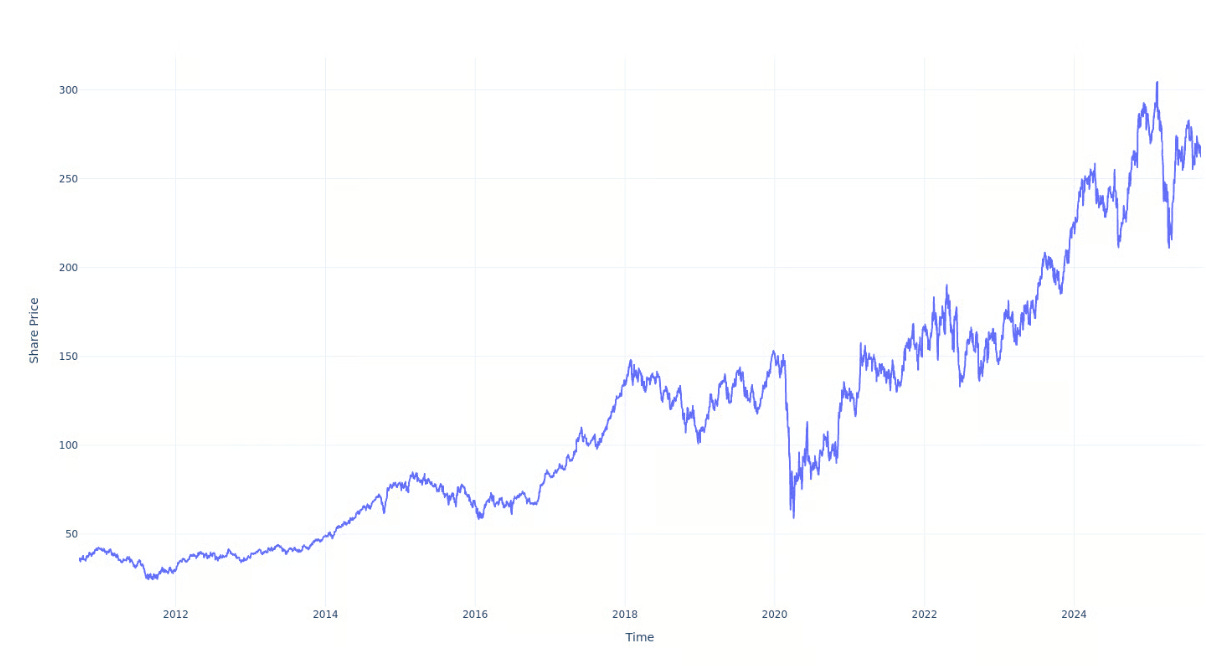
Since the start of 2025, Goldman’s basket of capital-intensive HALO stocks has outperformed capital-light stocks by roughly 35%.
Considering this, oh boy do I have the pitch for you.
The “asset-heavy” predicament in hospitality
For the past three decades or so, the prevailing wisdom in hospitality, validated by public market performance, was that owning physical assets was a liability. The hottest companies in the industry went asset-light and became brand houses that get recurring franchising and management fees without the burden of actually owning hotels.
Shareholders loooove the asset-light configuration, because it generates higher margins and predictable cash flows. Marriott and Wyndham have been able to scale their businesses to become the world’s biggest hotel companies with this business model.
But maybe we’re starting to outgrow this view. HALO-bros2 are looking for physical spaces, accumulated expertise, location, design, atmosphere, and all the other stuff that AI cannot replicate.
Furthermore, these large hotel companies turned management and distribution platforms are now officially getting the heebie-jeebies from AI, as it’s threatening what’s left of their value proposition.3
Hotels are the definition of heavy assets with low obsolescence. A well-designed property in a prime location with an expert team with seasoned hospitality professionals. Michelin-starred kitchens, the warmth of a human being remembering your name and how you take your coffee. Call me silly but I don’t think that can be automated any time soon (or ever).4
As if to prove my point, Europe’s oldest hotel company Kempinski just made its first hotel acquisition in 55 years. CEO Barbara Muckermann explicitly described it as a "strategic shift towards an asset-heavier approach”. This is because direct ownership leaves no variable of the guest experience into someone else’s hands, which, at the end of the day, is more of a liability than owning some real estate.
The property Kempinski purchased is an 800-year-old monastery in Prague, and the design brief for it was "the monastery gone wrong. It needs to be funny, it needs to be sexy, it needs to be a little provocative."
I think I’m in love guys.
Giving the hospitality industry a facelift
The hospitality industry has spent years feeling insecure about its “old economy” status, seen as slow to innovate and even dusty.
Tech companies were celebrated for being asset-light, scalable, and disruptive, the prom queens and kings, hotels were seen as slow, capital-intensive, and unsexy. The companies that managed to make hospitality more tech were rewarded.
But the logic is different now, and being hard to replicate is now where the value is at. The characteristics that made hospitality seem outdated such as physical presence and the impossibility of scaling a feeling are exactly what makes the industry in my opinion more resilient against AI disruption.
Hospitality did not need to become more like tech! The world has seen enough tech bros.
How to attract HALO-bros™ 101
If the HALO thesis outlined above holds, the implications for hospitality are significant.
Here’s how to make sure your hotel business fits the bill
Change how you position physical assets. They shouldn’t be (solely) framed as cost centers or liabilities. The building and its location and distinct design are the very reason you cannot be disrupted, thus desirable. You’re welcome.
A knowledgeable human team is your most unreplicable asset, which is why you should invest in staff, and their training, and wellbeing. This way they can deliver hospitality properly, and its the hardest asset you can have.
We should unsubscribe from asset-light orthodoxy or, at the very least, reexamine its premises. The franchise model has clear financial advantages but physical ownership should not be treated as inherently inferior - because it isn’t! In a HALO world, owning your own hotel might just be the smartest thing you can do.
Stop apologizing for the industry! Hospitality is built on human care, physical spaces, and experience that are impossible to replicate with machines. That’s the value proposition and I think it’s time to make it sexy.
I hope this edition of the Reservation did two things, them being 1) instilled some confidence in our industry (we are not slow to innovate, we are ✨HALO✨) and 2) did justice to my hotel finance studies.
I would love to hear your thoughts! Especially if I have any HALO-bros in the audience.
🔑 Emma
My testosterone levels after writing that sentence 📈
I’m trademarking this
My colleagues and I did our whole master’s research on the changing role of hotel brands - lmk if you want to hear more!!!
Of course, most certainly, AI has had an immense effect on many functions integral to the hospitality industry, such as revenue management, dynamic pricing, marketing automation, customer service… I could go on and on.
I love the idea of valuing the 'unreplicable asset' of a highly trained, well-cared-for team. Investing in staff wellbeing isn't just culture.....it’s the ultimate commercial strategy for resilience in an AI-heavy world
HALOBros should definitely be trademarked! Brilliant Emma