

Dear guest,
I am pleased to welcome you to this letter, which is the 400-subscriber special of the Philosophy of Hospitality.
This piece started when I was listening to this podcast episode, where Nadine @ The Stanza talks about what attracts her to hospitality:
“I love beauty. I think beauty drives the world. Being in an environment surrounded by beauty is what truly makes me thrive.”
I felt this on a visceral level as I, too, find endless beauty in hospitality. But, then again, what is beauty?
Is there a difference between beauty, aesthetics, and harmony?
Join me on this attempt to articulate the philosophy of beauty as it relates to our world (and obviously, hospitality). I also have a special guest join us at the end.
⋆⭒˚.⋆ The philosophy of beauty ⋆⭒˚.⋆
Welcome to Turndown Service, where we immerse ourselves in an experiential detail or sentiment.
In this letter: why beauty is a necessity, what it is and is not, a conversation with a creative, and a warm, warm thank you.
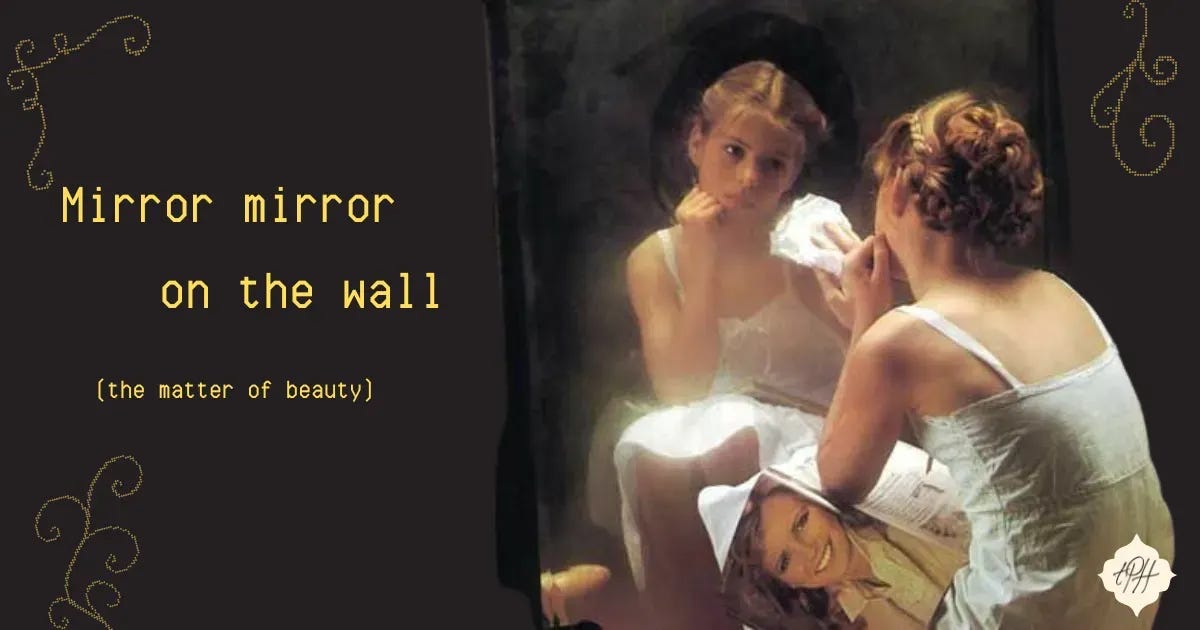
Beauty is not frivolous, nor is it a luxury
What is beauty?
“Beauty is commonly described as a feature of objects that makes them pleasurable to perceive. Such objects include landscapes, sunsets, humans and works of art. Beauty, art and taste are the main subjects of aesthetics, one of the fields of study within philosophy.” – Wikipedia (LOL)
We have a tendency to treat beauty as something that is nice-to-have; an upgrade to the mundane, the cherry on top, the finishing touch that is handled only after serious things are sorted.
I happen to think that this, very functionalist and modernist approach that favors rationality and efficiency is not in alignment with what human flourishing entails.
In her book On Beauty and Being Just, philosopher Elaine Scarry argues that beauty performs a specific and fundamentally irreplaceable function in human life: it decenters us and our individual human existences.
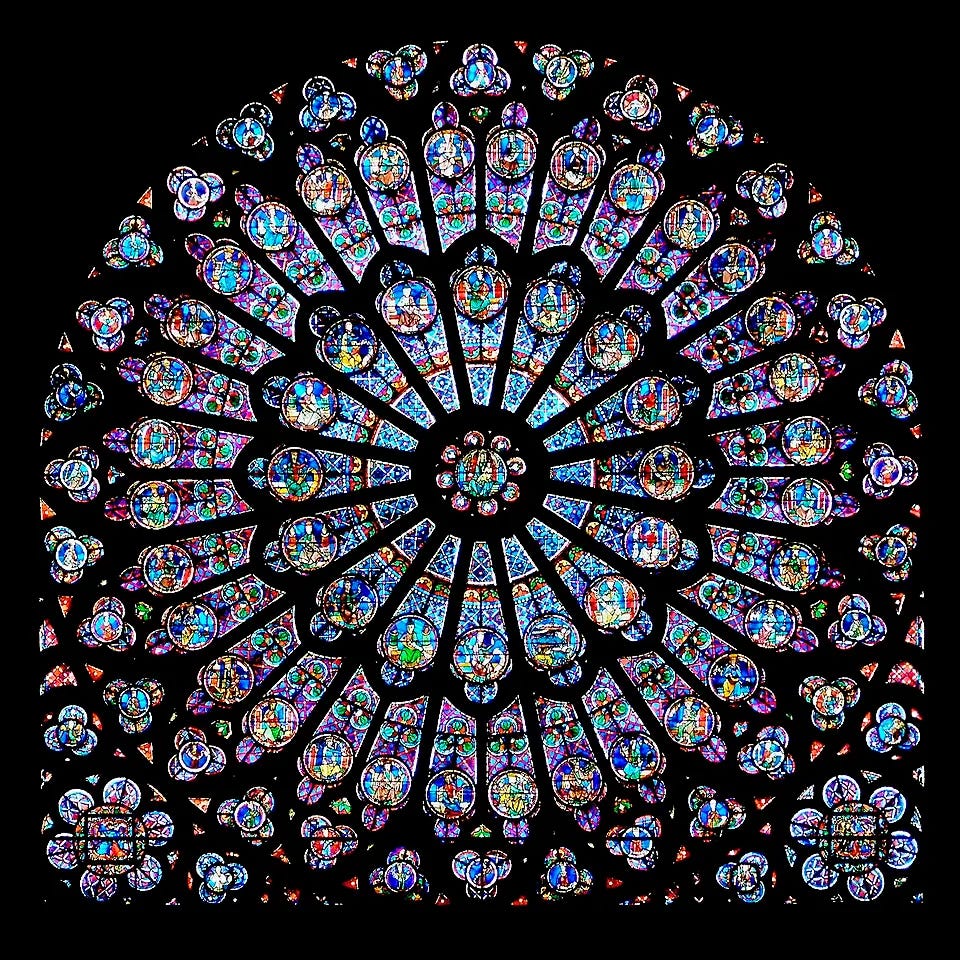
When we encounter something beautiful, whether that’s a view, a room, a gesture, a face, we are momentarily pulled out of our own singular point of view.
As this newsletter is called the philosophy of hospitality, allow me to pull an example from that realm.
Imagine you are arriving at a hotel after a long flight, your inbox is swamped, you’re exhausted… imagine the relief you could get from being able to decenter yourself and your regular life for a moment.
At its best, a beautiful lobby can interrupt the drama that is human life. We become attentive to something outside of ourselves and surrender our importance.
According to Plato, beauty is the most accessible form and the only transcendent quality of the universal and fundamental Good™, as we can perceive it with our senses. We cannot see or touch or taste virtues such as truth or justice, but we can directly experience beauty which, then, can lead us toward those higher things.
A beautiful hotel is far from frivolous, as it is making the invisible and often abstract qualities of care, attention, intentionality (that also happen to be the constituents of hospitality) visible and tangible.
Beauty ≠ perfection
Another frequent misconception about beauty is that it is equal to flawlessness or perfection.
The Korean-German philosopher Byung-Chul Han writes in Saving Beauty that contemporary culture has reduced beauty to smoothness; everything is frictionless, filtered, optimized for the screen.
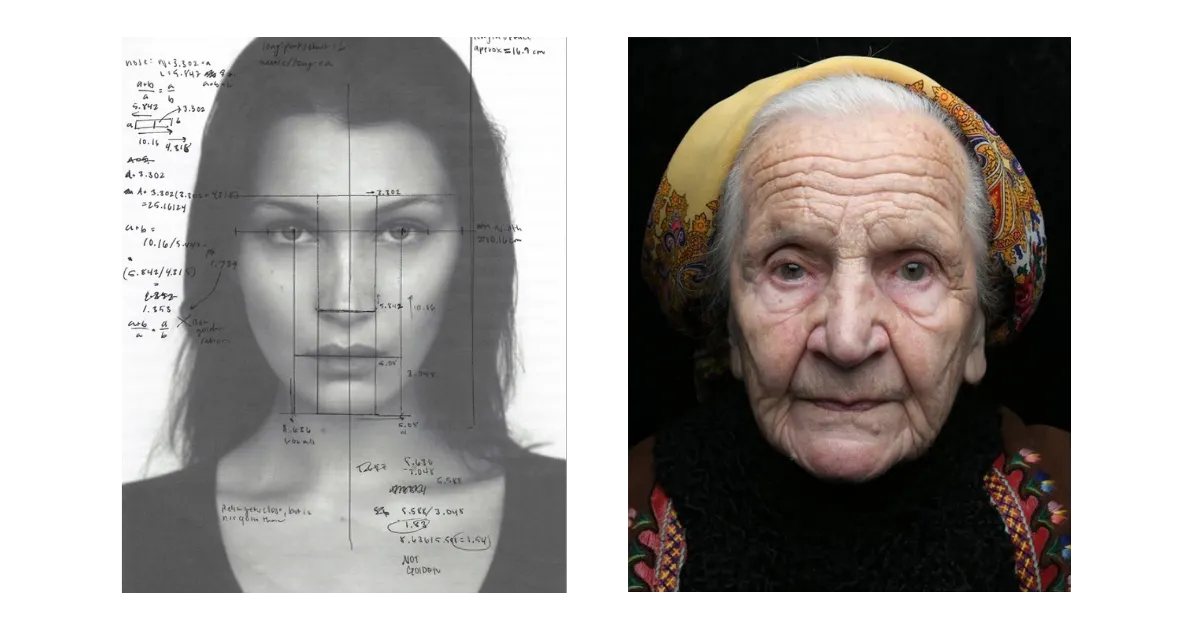
Han argues that this smoothness is actually the enemy (if not the antithesis) of beauty. True beauty requires what he calls “negativity”, which is the unknown factor of texture, mystery, resistance, even grit.
If a space is designed to be instagrammable, meaning every angle is considered for the camera, design choices tend to become as inoffensive and palatable as possible to as many people as possible.
This results in borderline ominous spaces that could be anywhere. Both Sanchita and The Upgrade | Anne Marie have talked about the great beigefication in the hotel world, where algorithms and mass-market design have flattened what used to be diverse spaces and brand into a uniform palette of beige, cream, and taupe.
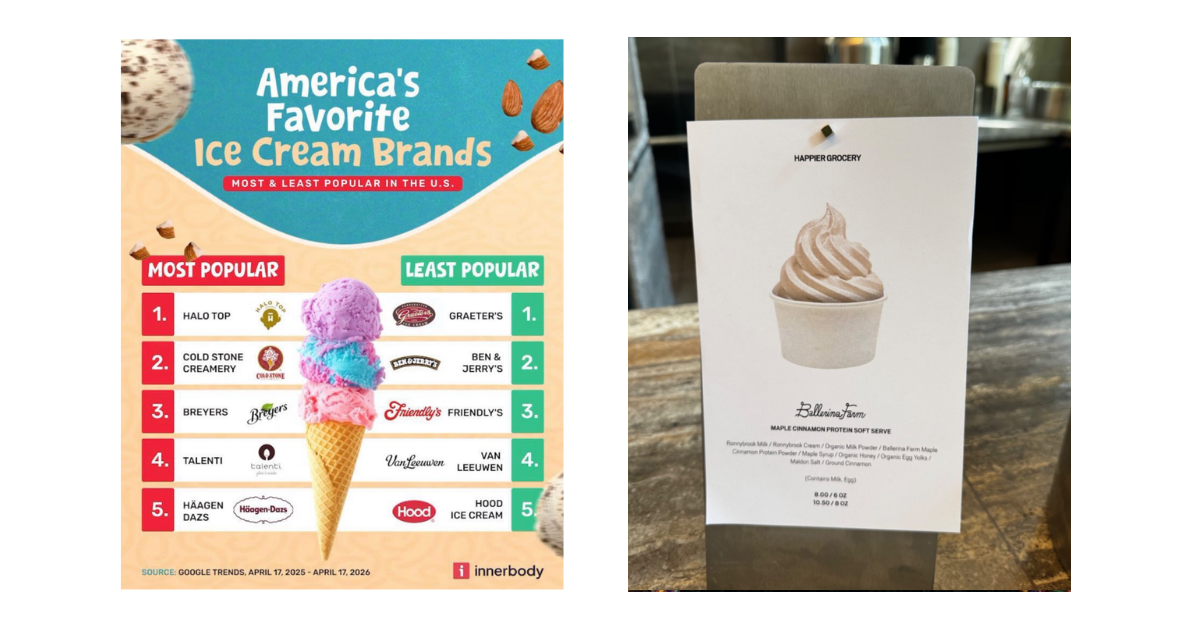
Even if it’s not neutrals and, instead, neon signs and green plants as is the case with lifestyle hotels, the same issue is present – and so is notably also the absence of beauty. For a space geared for hospitality (hotel, bathhouse, spa, restaurant, members’ club), embracing life and grain communicates authenticity and realness to the guest, whereas overt smoothness evokes distrust (we all know this now through our lived experience with AI slop).
What is it then? Attention!
Simone Weil wrote that “attention is the rarest and purest form of generosity.”
Beauty commands attentiveness (as opposed to the frantic, dopamine-driven vigilance we have towards a notification for instance). The attention beauty sparks in us is more spacious and vigilant.
Putting attention into the design of a space or an experience also means producing attention and presence in the guest.
Aristotle said that beauty is order, symmetry, and definiteness, and it always results from intentional arrangement. Often the places we find most beautiful are the result of a thousand small, intentional choices that were all made with the guest in mind.
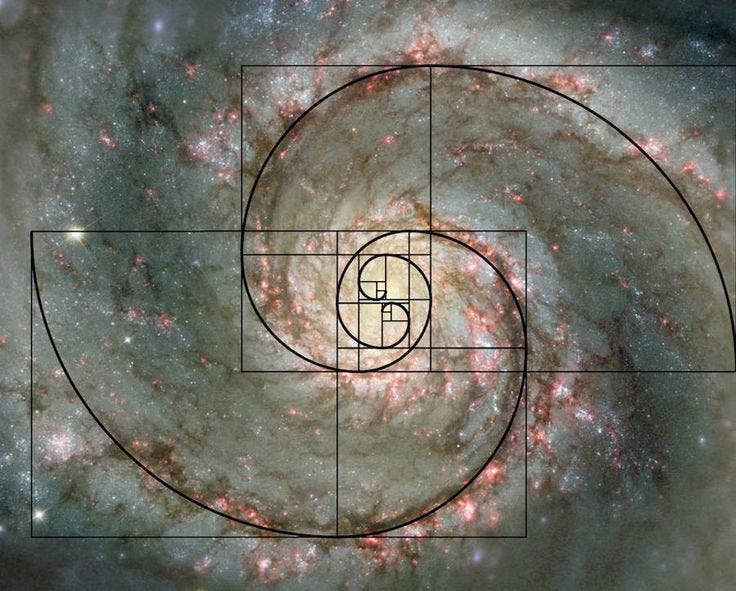
(Side note: many beautiful things are that precisely that because they happen in an unprompted, completely kismet way. However even in these cases you could argue for an underlying organizing intelligence that is geared towards order and harmony).
In conversation with a creative
I wanted to hear from someone who thinks about beauty and harmony professionally but from outside the hospitality industry.
Seriesnthings is a New York-based creative and art director who’s embedded into the fashion scene.
He approaches spaces and images with what I would call a philosophical intuition, and we spoke about beauty, harmony, the death of Instagram hotels, and what he would do if someone gave him a hotel.
What does beauty mean to you?
“Personalization. Beauty means your camera roll. What do you find beautiful? Personal beauty is the denial of what is considered objectively beautiful.
You kind of get to edit and control the construct of what the word sees beauty. So you’re not just reduced to the idea of what has been driven into the normalcy, but the expression of subjectivity in a beauty is in the eye of the beholder kind of way”

When you walk into a space and something feels off, what’s usually wrong?
“It’s always the absence of culture. You should always consider, how do you put the spirit of the city you’re in, the energy of the place, onto the experience you’re offering? When that connection is missing, you feel it immediately. You can’t fake cultural resonance.”
Everyone talks about taste (*joint eye-roll*) right now. Where does yours come from?
“Reading the room. And reading, period. Document Journal, Wallpaper magazine, YouTube. Not reels, not TikTok, not whoever says you need these things to be chic. Because those people go do research from someone else and repurpose it. You’re listening to a copy of a copy of a copy. My fluency comes from primary sources.”
What do you think about the Instagrammable hotel epidemic?
“Everyone is bored of Instagram. That’s the issue. And here’s the thing: if the vibe of a place is that no one is on their phones, and you’re the only one scrolling, you feel it. Put down the phone. The best places make you want to do that. It’s always the worst places are designed for you to pick it up.”
What’s missing in the wellness and hospitality space?
“Life. Everything is so fictionalized. You can’t over-polish everything. You need to humanize and connect people. At the end of the day, you’re servicing people, not curating a set.”
Three tips for someone designing a hotel?
“One: find the Gaia Repossi of your world (someone with real taste and cultural fluency) and invite them to live in your hotel for a month.
Two: read the city you’re in. Find the young emerging artist and connect them to the property.
Three: remember you’re designing for two audiences, people who travel and people who live in the city. The best hotels become a place of belonging for locals as well.”
If you could create one experience that no hotel currently offers, what would it be?
“A photographer who travels with the guests to document their day-to-day. The guests are off their phones because someone is capturing the memories for them. When they check out, they get the photographs. Because once you’re checked out, it’s all memories, which is what a hotel actually sells.”
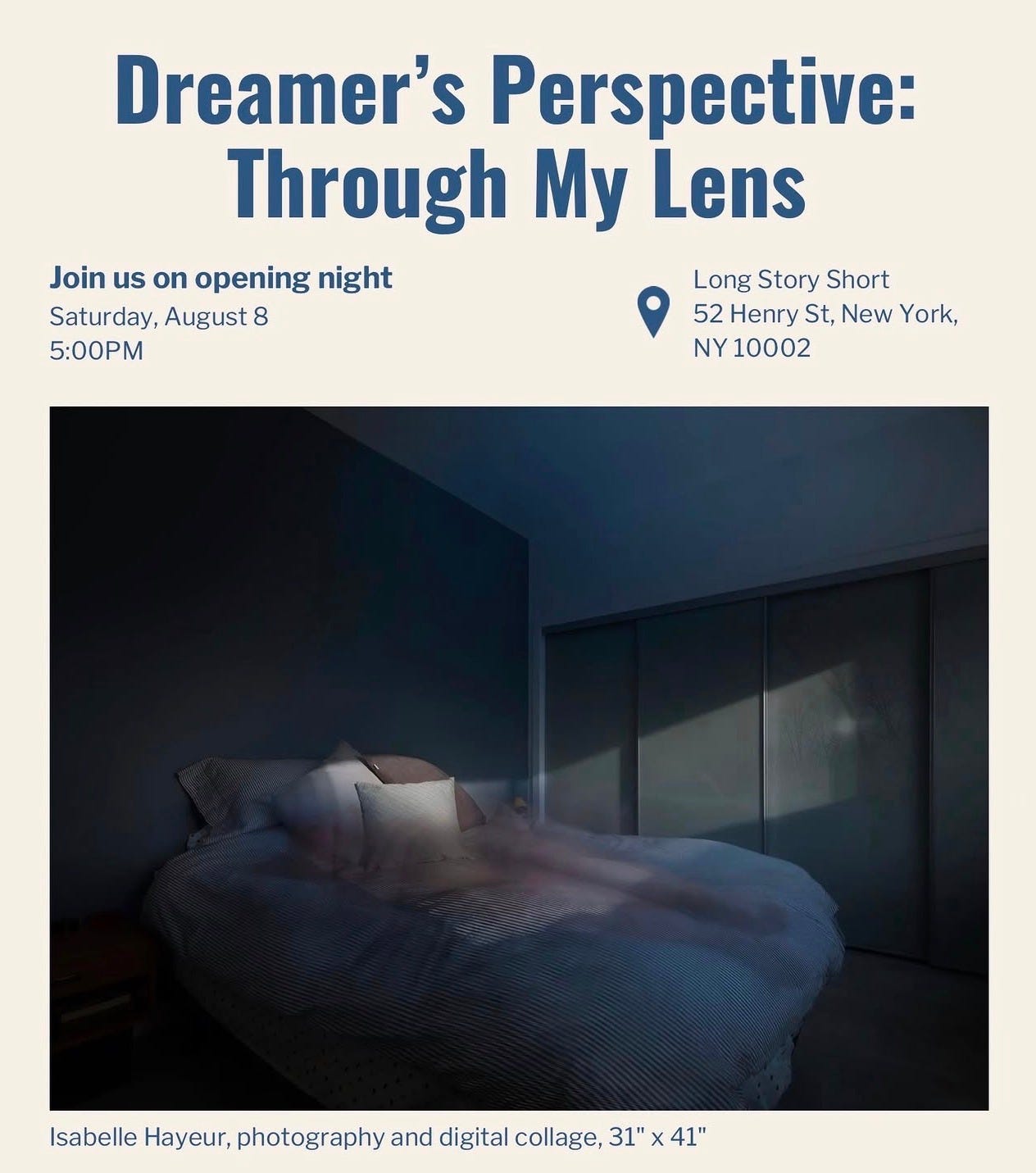
To all NYC people: make sure to catch Seriesnthings’ exhibition starting from 8th of August.
Beauty is ethical
The aim of this letter was to communicate a) the necessity of beauty and b) what beauty is and is not.
It was Nadine’s words that made me realize I was also drawn to hospitality because I love beauty, and its allure is what makes me reminisce over a hotel years later.
Scarry writes that when we encounter beauty, we want to reproduce it and to bring it into the world again. When we leave something we found beautiful, we carry it with us and want to recreate that in our lives.
This is why beauty is also an ethical choice – by creating beautiful things and atmospheres, that attention compounds and goes on to create even more beauty in the world.
Happy 400, dear guests. Thank you for being here, this is truly my happy place and it’s because I get to hear from you each week and talk about my favorite things.
And as promised, a snippet of my DJ set coming soon!!!
🔑 Emma
This is my favourite piece of yours so far, Emma. I have always defended beauty, in all its forms, and I could never explain it as eloquently as you have. I feel so, so, so validated. The world needs beauty. We can't survive without beauty.
🎆🥹 L’Occitane levels in the coolest lobby of the online world!!! & I’m beyond grateful to Emma for inviting me into this space in articulating a way of seeing beauty not as polished tools of desire, but rather a refinement in the unexpected, human, experiential, moments that can better inform the navigation of all our expectations!!!!
So much of what we understand as beautiful has been programmed into us. We inherit social expectations that quietly tell us what we should want, how we should look, and even feel and the best way to beautify ourselves is to deviate and form our own values in rethinking the how o beauty!!! The experiences that stay with me are rarely the ones that simply reproduce what I already know and a billion fireworks on the moon for this feature to my very own André Balazs Of Sublime on substack :))🎆🎆🎆🎆🎆🎆🎆💝